
Latest News

The Future of Fashion: From Fabric to Function
Tuesday, 31 March 2026 - 17:50 | Views - 334
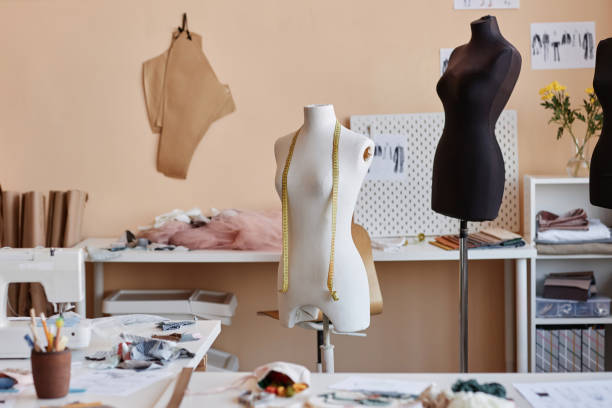
There was a time when clothing was defined by tradition—stitched fabrics, seasonal collections, and standardized sizing. Fashion followed a predictable rhythm, shaped by designers, manufacturers, and retail cycles. What we wore was largely determined long before it reached our closets.
Today, that structure is beginning to shift. Advances in technology, sustainability concerns, and changing lifestyles are reshaping not just how clothes look—but how they are made, worn, and even experienced.
A Shift Toward Innovation
As technology becomes more integrated into daily life, fashion is evolving beyond aesthetics. Clothing is no longer just about appearance; it is becoming interactive, adaptive, and increasingly intelligent.
From digitally designed garments to experimental materials, the industry is moving toward a future where creativity is no longer limited by traditional production methods. Designers and engineers are collaborating in new ways, opening possibilities that were once purely conceptual.
The Rise of 3D-Printed Clothing
One of the most striking developments is the emergence of 3D-printed fashion. Instead of cutting and sewing fabric, garments can now be built layer by layer using specialized printers.
This approach offers several advantages. It reduces material waste, allows for precise customization, and enables complex designs that would be difficult—or impossible—to achieve by hand. Clothing can be tailored exactly to an individual’s body, creating a more personalized fit.
In the future, it’s possible that consumers could download designs and print garments at home or through local facilities, transforming the way fashion is distributed and consumed.
Clothing That Grows and Adapts
Another promising innovation is adaptive clothing—especially garments designed to grow with the wearer. For children, this could mean clothes that expand or adjust as they grow, reducing the need for constant replacement.
These designs often use flexible materials, modular construction, or engineered pleats that respond to movement and size changes. The result is clothing that lasts longer, saving both money and resources.
Beyond children’s wear, adaptive clothing could also benefit adults by adjusting to body changes, climate conditions, or activity levels—offering both comfort and longevity.
Sustainability as a Core Principle
With growing awareness of environmental impact, sustainability is no longer optional—it is central to the future of fashion.
Technologies like 3D printing and adaptive garments help reduce waste, while new materials—such as biodegradable fabrics or lab-grown textiles—offer alternatives to resource-intensive production.
The goal is not just to create new styles, but to rethink the entire lifecycle of clothing: how it is made, how long it lasts, and what happens after it is no longer worn.
A More Personalized Wardrobe
As these innovations take hold, fashion is becoming more individualized. Instead of mass-produced items, people may curate wardrobes that are tailored to their specific needs, preferences, and lifestyles.
Clothing could be designed on demand, adjusted in real time, or even updated digitally. This shift moves fashion away from uniform trends and toward personal expression, supported by technology.
Looking Ahead
It seems unlikely that traditional fashion will disappear entirely. Instead, the future points toward a blend of craftsmanship and innovation—where classic techniques coexist with cutting-edge advancements.
In many ways, the future of fashion reflects a broader transformation in how people live: more conscious, more connected, and more open to change. What we wear will no longer be static—it will be dynamic, responsive, and deeplypersonal.






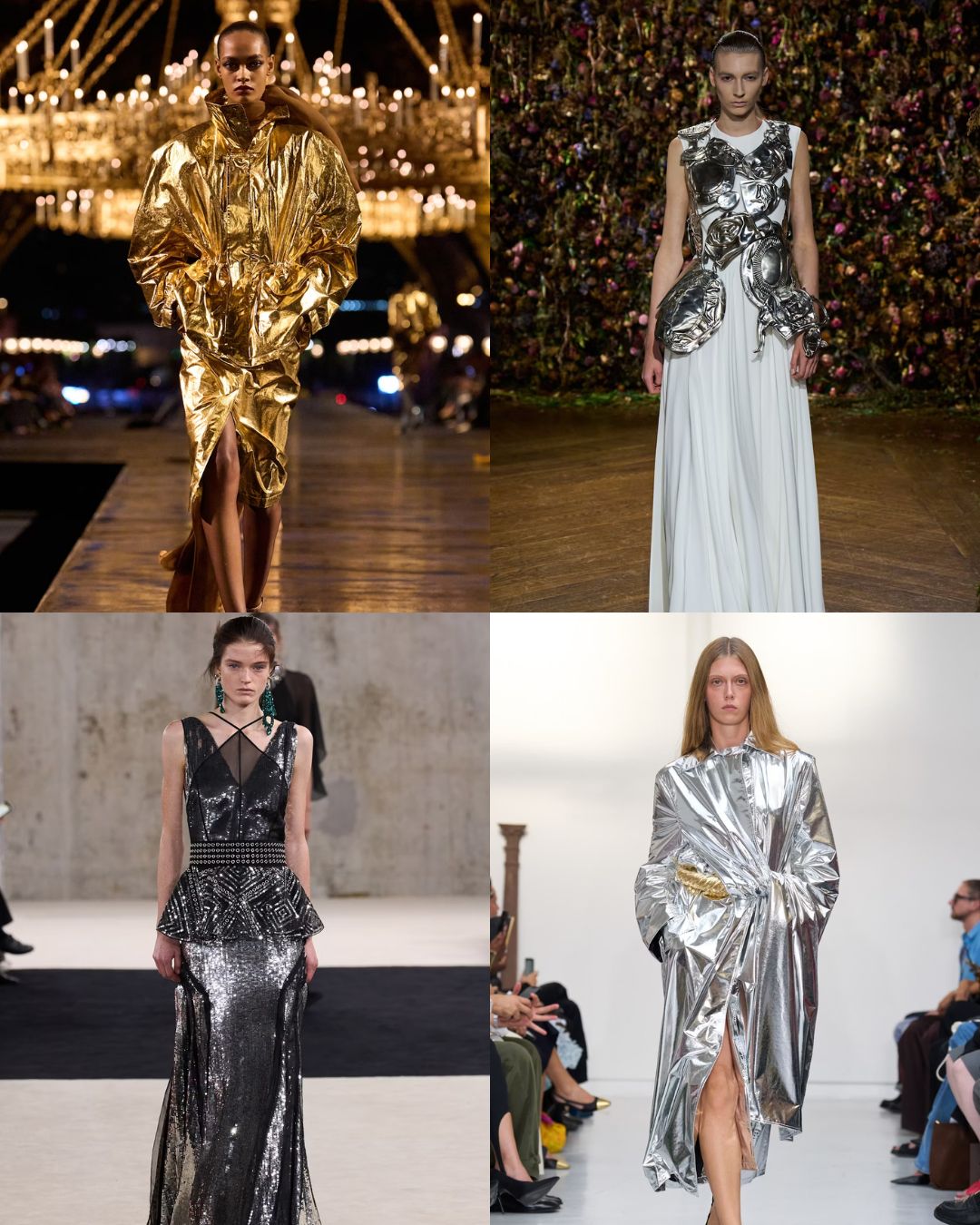
Monday, 12 October 2026 - 12:07
Paris Fashion Week SS27 has officially declared minimalism over, ushering in a breathtaking era of high-impact...
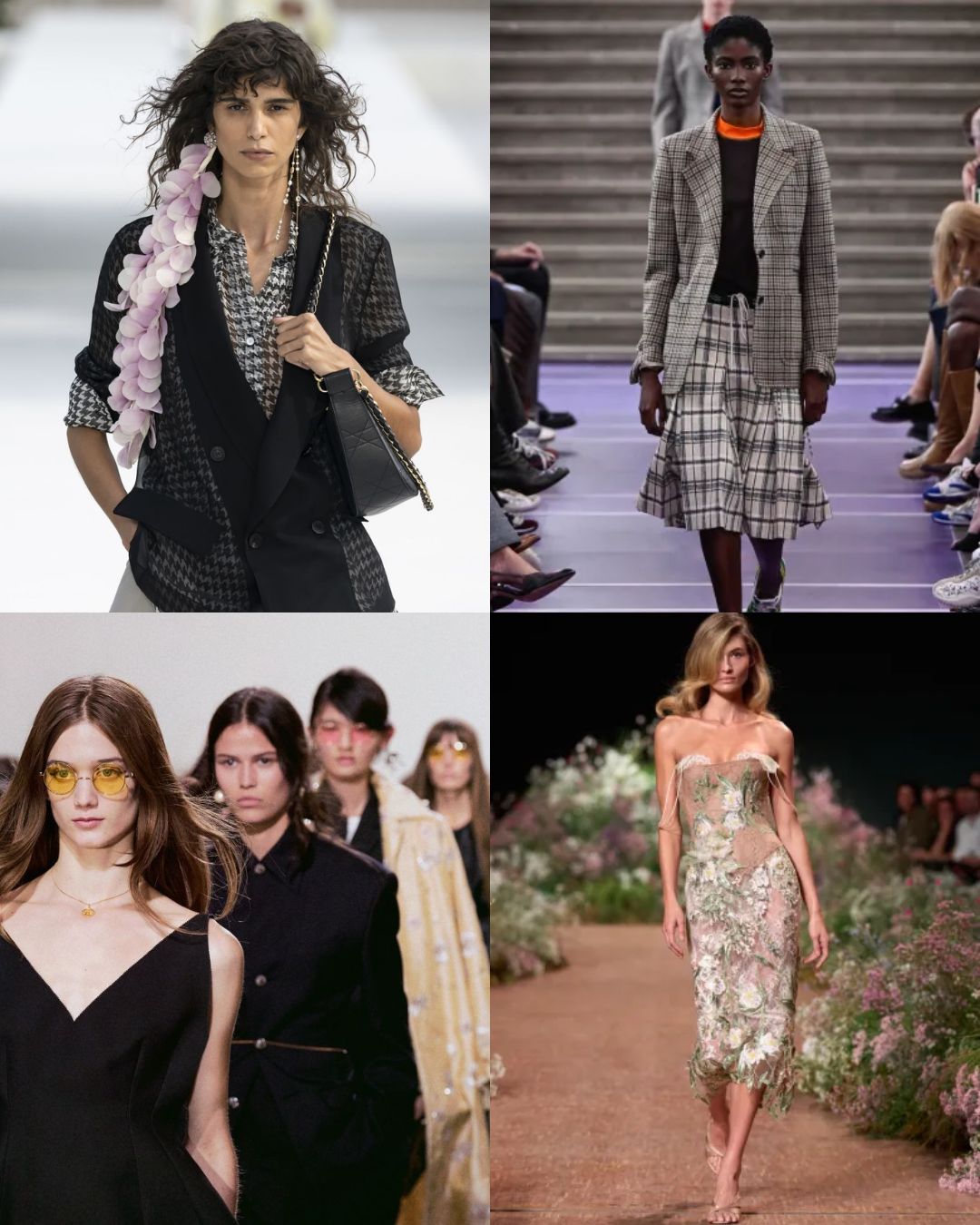
Monday, 05 October 2026 - 11:00
Paris Fashion Week has been nothing short of a whirlwind, turning the French capital into the ultimate...
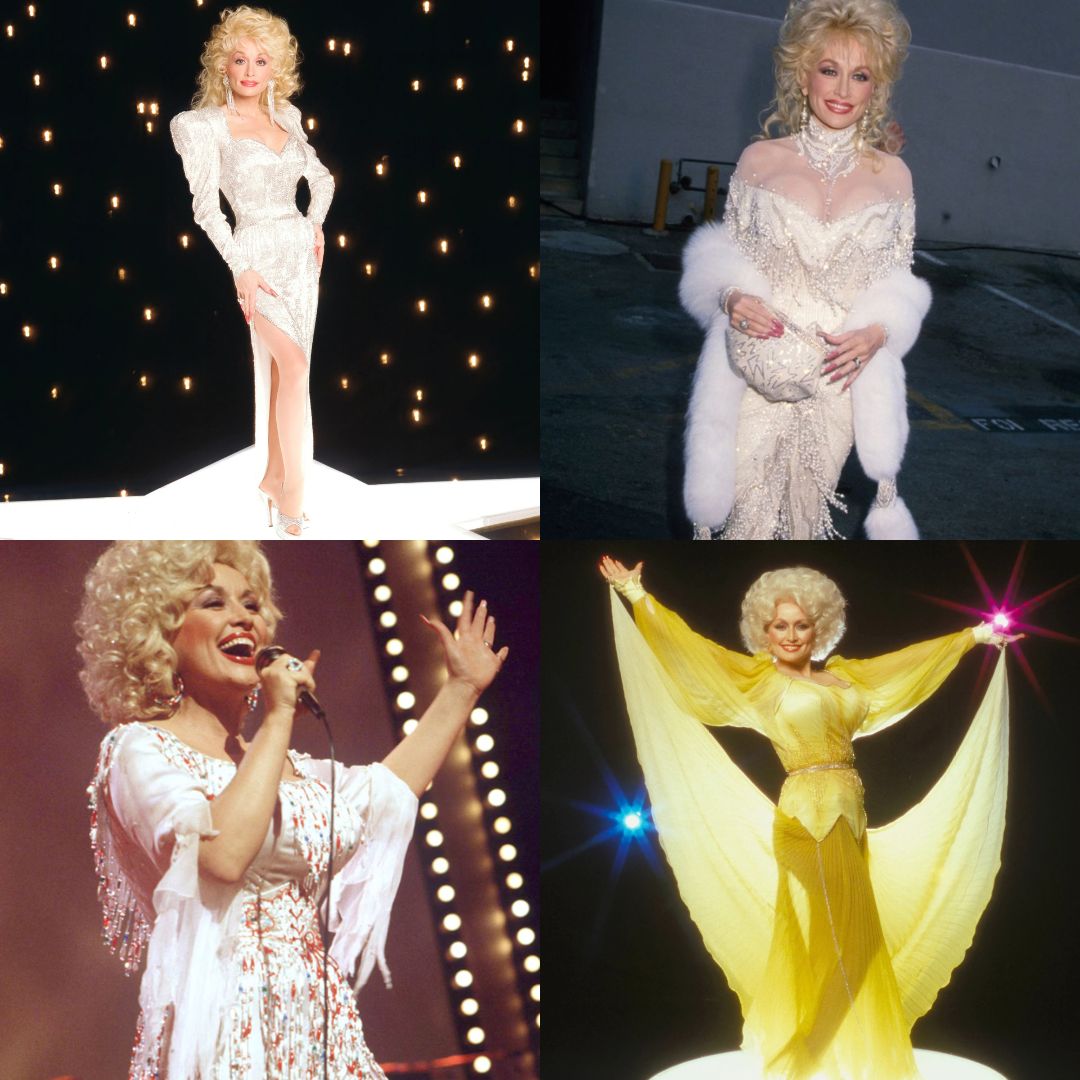
Tuesday, 29 September 2026 - 13:08
In the world of fashion, true icons are defined not by fleeting trends, but by an unwavering, uncompromising...



Thursday, 15 October 2026

Wednesday, 07 October 2026
Thursday, 01 October 2026


Friday, 16 October 2026

Wednesday, 07 October 2026

Thursday, 01 October 2026

Tuesday, 18 August 2026