
Latest News

The Evolution of Workwear: From Power Suits to Practical Comfort
Wednesday, 25 March 2026 - 17:30 | Views - 206
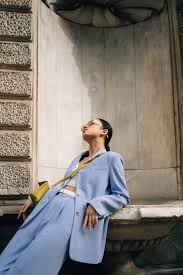
There was a time when getting dressed for work followed a familiar, almost ceremonial routine. Clothes were carefully chosen the night before, shoes were polished, and stepping out the door meant stepping into a clearly defined professional role. The distinction between “work” and “home” was reflected not just in location, but in what one wore.
In recent years, however, that boundary has softened—and with it, so have the expectations around workwear.
A Subtle Shift in Standards
As remote work became more common, many people found themselves reconsidering long-held habits. Without the daily commute or the physical office, the need for strictly formal attire began to fade.
This didn’t mean standards disappeared entirely. Rather, they evolved. Neatness and presentation still matter, but they are no longer tied so rigidly to suits, ties, or structured outfits. Instead, clothing has become more adaptable—suited to both comfort and professionalism.
The Rise of Practical Dressing
One of the most noticeable changes has been a growing emphasis on comfort. Clothes that allow ease of movement, breathable fabrics, and less restrictive tailoring have become increasingly popular.
It’s not simply about being casual—it’s about being practical.
For many, the workday now includes a wider range of activities: sitting at a desk, moving around the house, stepping out briefly, or joining a virtual meeting. Naturally, clothing has adjusted to meet these varied demands.
A New Balance in Hybrid Work
With hybrid work now common, many people divide their time between home and the office. This has led to a more thoughtful approach to dressing.
On office days, there is often a return to more polished attire—but typically in a more relaxed form than before. Jackets may be softer, shoes more comfortable, and overall outfits less rigid. At home, the focus remains on ease, though still presentable when needed.
In this way, wardrobes have become more versatile—capable of adapting to different settings without requiring a complete change.
Dressing with Purpose
Another interesting development is a renewed sense of intention behind what people wear. Rather than dressing purely out of obligation, many now choose clothing based on the day’s needs.
A meeting might call for something more refined, while a quieter day allows for greater comfort. In this sense, clothing supports productivity rather than simply signaling formality.
A More Personal Approach
With fewer strict guidelines, individuals have more freedom to express their personal preferences. For some, this means maintaining a traditional style; for others, it involves incorporating more relaxed or modern elements.
Importantly, this shift has made workwear feel less like a uniform and more like an extension of everyday life.
Looking Ahead
It seems unlikely that workwear will return to its previous level of formality. Instead, the future points toward balance—clothing that is comfortable, appropriate, and adaptable.
The modern approach to dressing for work reflects a broader change in how work itself is viewed: not as a separate space with rigid rules, but as part of a more integrated and flexible lifestyle.
In many ways, the evolution of workwear is a reflection of changing priorities. Comfort, practicality, and personal choice now sit alongside professionalism.
The result is not a loss of standards, but a redefinition of them—one that feels more aligned with the way people live and work today.






Monday, 12 October 2026 - 12:07
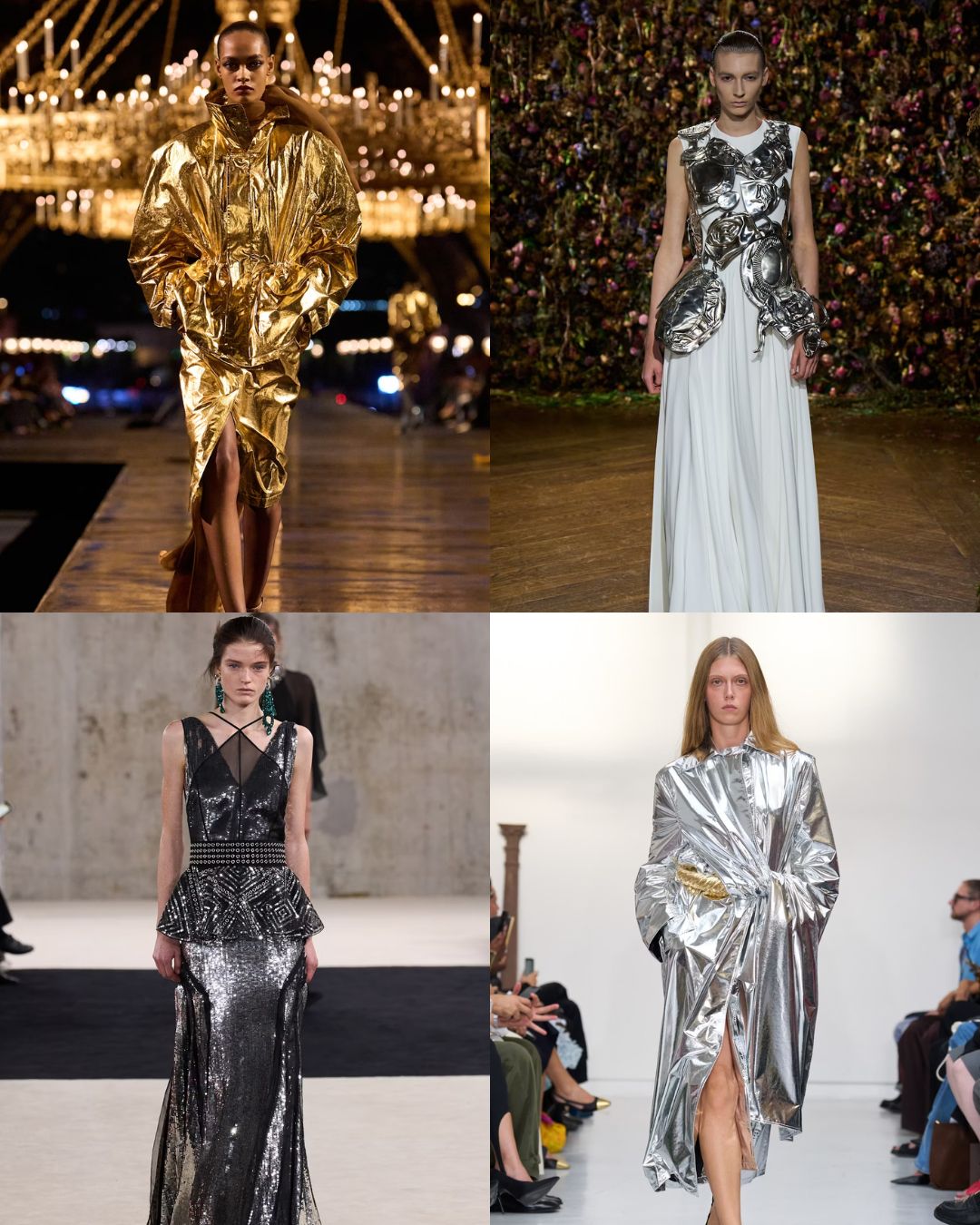
Paris Fashion Week SS27 has officially declared minimalism over, ushering in a breathtaking era of high-impact...
Monday, 05 October 2026 - 11:00
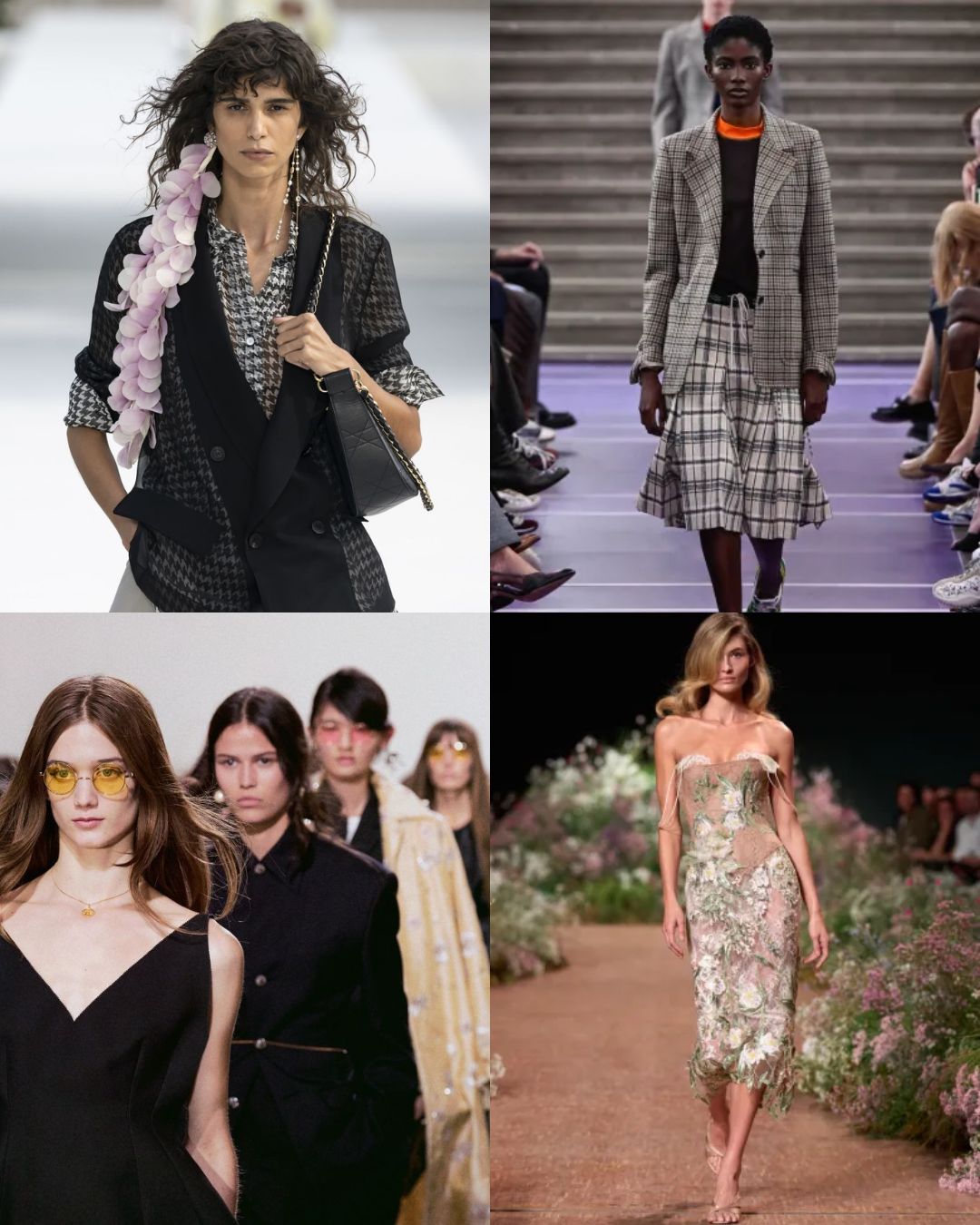
Paris Fashion Week has been nothing short of a whirlwind, turning the French capital into the ultimate...
Tuesday, 29 September 2026 - 13:08
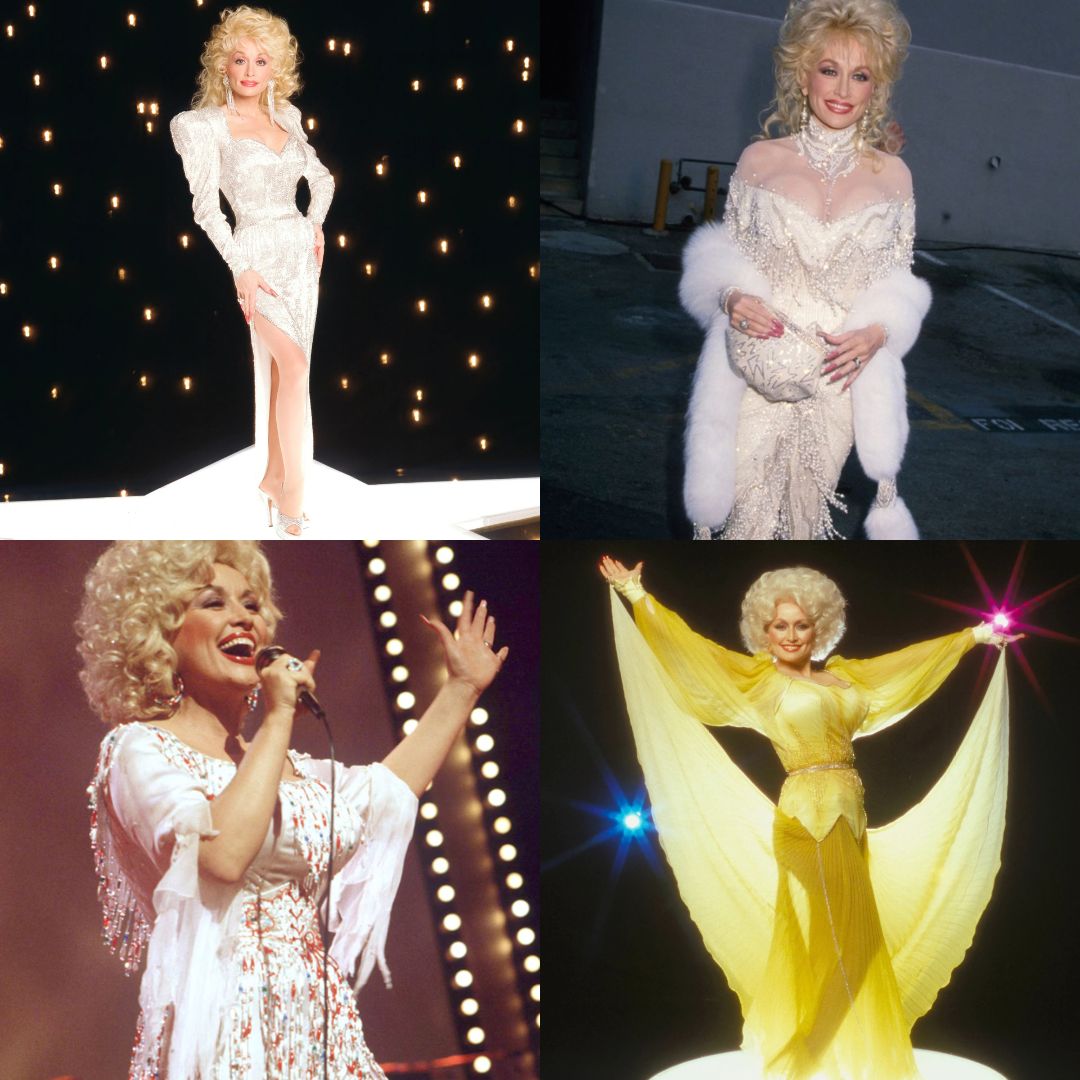
In the world of fashion, true icons are defined not by fleeting trends, but by an unwavering, uncompromising...


Thursday, 15 October 2026

Wednesday, 07 October 2026
Thursday, 01 October 2026

Friday, 16 October 2026
Wednesday, 07 October 2026
Thursday, 01 October 2026

Tuesday, 18 August 2026