
Latest News

Thrifting Lovin’ the Pre-Loved!
Friday, 20 March 2026 - 17:41 | Views - 174
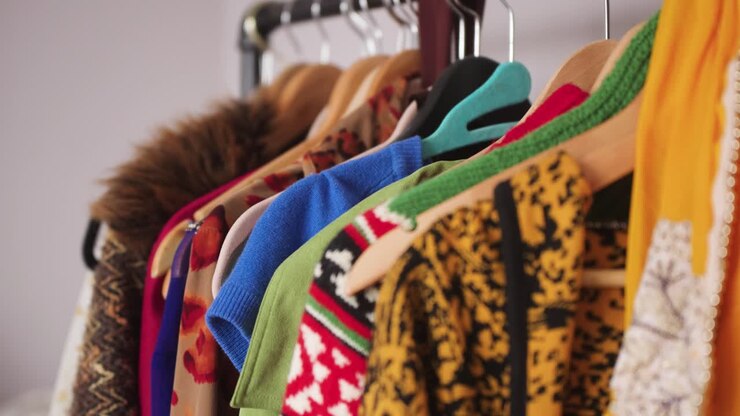
Thrifting has officially moved from a "budget necessity" to a "fashion flex." In 2026, the secondhand market is thriving as people prioritize unique style and sustainability over the cookie-cutter looks of fast fashion.
Whether you're hitting a local charity shop or browsing a massive warehouse, here is your basic guide to mastering the art of the thrift.
1. Why Thrifting is Taking Over
The shift toward secondhand isn't just about saving money (though that’s a huge plus). It’s about three main things:
- Sustainability: Extending the life of a garment by just nine months reduces its carbon, water, and waste footprints by about 20% to 30%.
- Originality: In a world of viral TikTok trends, thrifting ensures you won't walk into a party wearing the exact same dress as three other people.
- Quality: Vintage items (pre-2000s) were often made with better construction and natural fibers like wool, silk, and heavy cotton compared to today's synthetic blends.
2. The Golden Rules of Savvy Shopping
Thrift stores can be overwhelming. To find the "diamonds in the rough," follow these simple strategies:
- Dress for the Occasion: Wear something fitted, like leggings and a tank top. This allows you to try on clothes over your outfit if the dressing rooms are closed or have a long line.
- Ignore the Size Tag: Sizing has changed drastically over the decades. A "Size 12" from 1980 might fit like a modern "Size 6." Go by how the garment looks and feels, not the number on the tag.
- Check the "Hazard Zones": Before you buy, do a quick 30-second inspection of the underarms (for stains), the crotch (for wear), and the zippers (to make sure they glide).
4. The "Post-Thrift" Routine
Once you get your treasures home, don't just put them in your closet.
- Laundry: Wash everything on the highest temperature allowed by the care tag, or use a steamer to kill any lingering bacteria or odors.
- Tailoring: Don’t be afraid to buy something slightly too big. A $10 thrifted blazer plus $20 in tailoring results in a custom-fit piece that looks like it cost hundreds.
The Ethics Note: While thrifting is great, remember to leave the essential items (like heavy winter coats or plus-size staples) for those who rely on thrift stores for their basic needs, especially during peak seasons.






Monday, 27 July 2026 - 9:40
After years dominated by hyper-saturated trend cycles and sleek, ultra-smooth minimalism, fashion has...

Monday, 20 July 2026 - 9:35
The era of hyper-rigid seasonal dress codes has quietly dissolved. Where personal style once demanded...
Monday, 08 June 2026 - 18:35
There was a time when sleek, unadorned surfaces and flat printed graphics defined what it meant to be...



Wednesday, 23 September 2026

Tuesday, 25 August 2026

Thursday, 13 August 2026


Tuesday, 18 August 2026

Tuesday, 28 July 2026
Monday, 20 July 2026
Friday, 15 May 2026