
Latest News

The Ultimate Flood Preparedness Checklist
Thursday, 09 January 2020 - 17:01 | Views - 1,016
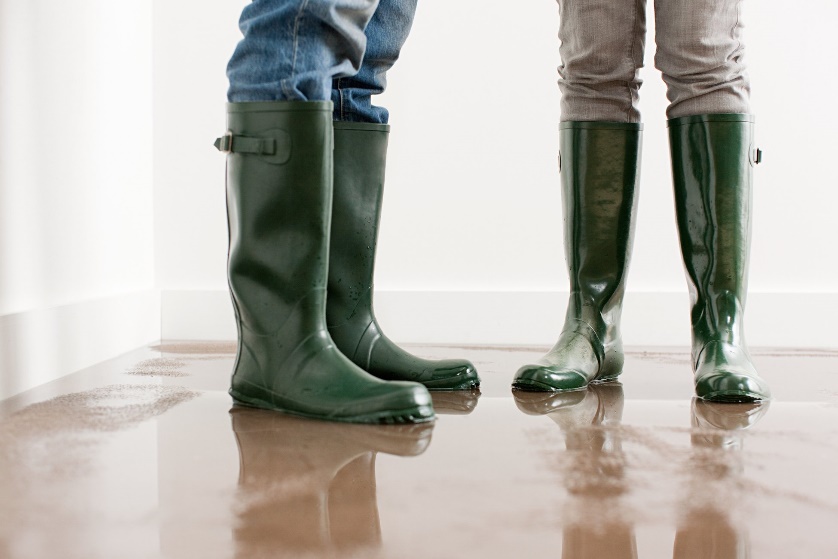
Use this guide to prepare for a flood and keep your family, pets, and important documents safe when waters rise.
1. Watch for Flood Emergency Alerts
2. Purchase an Emergency Weather Radio
3. Secure Documents for Your Emergency Bag:
The last thing you want to do during a flood is waste time trying to remember where you put the passports and birth certificates.
- Driver’s license and/or military ID
- Birth certificates or citizenship documents
- Passports
- Marriage documents
- Adoption papers
- Family vaccine records
- Insurance policy numbers
- Living wills
- Property records
- Financial records, like prior tax returns
You can also proactively digitize important documents and upload them to a cloud-based storage system like Dropbox to ensure they're archived and accounted for.
- Medical alert tags sharing specific needs, like known drug allergies or a list of current prescriptions
- Back-up assistive technology devices, like hearing aids
- Medicine and transportation devices
With these flood preparation steps, you will be able to rest assured that your family has a plan should a flood strike and a home evacuation is necessary.
4. Vital Supplies for Your Emergency Flood Kit
Build a custom to-go kit filled with your family’s essentials: medicine, asthma inhalers, nonperishable food, a multipurpose knife, a flashlight with extra batteries, bottled water, a first aid kit, and a whistle or noisemaker. Consider investing in an emergency portable cell phone power bank, Keep the power bank in your car or emergency kit with a power cord to ensure you’re always able to connect to 911 services and the latest weather updates.
5. Use Landscaping to Improve Drainage
Protect your home against flooding wherever possible by implementing design techniques that promote effective drainage. Ideally, the ground around your home will slope away from your house in all directions, but you can also counter bad drainage areas
Also worth noting: sump pumps sometimes fail during heavy rain. If your home's sump pump stops working due to flooding, a standby generator can be used to keep it running and prevent flooding. If your home is without a sump pump, consider investing in a submersible pump to quickly remove water from a basement should the need arise.
6. Prepare an Emergency Plan for Pets
If you have a pet, add extra food, warm bedding, veterinary records, a harness, and a leash to the grab-and-go bag. Some emergency shelters may not allow pets, so it’s important to check which shelter locations are closest to you on the and to know their protocols. With a little preparation, you may be able to find a place that can help your dog or cat stay safe in the storm.
7. Consider a Flood Insurance Policy
8. Create an Evacuation Route
You have your go bag and key documents—so what now? If flooding is particularly dangerous, you may need to evacuate your home. If that's the case, you’ll need a safe route to get to your shelter. Avoid travel on bridges, which can be dangerous during heavy rains, and stay on main roads that are designed to drain water during an emergency.
9. Set Up a Support Network for Seniors and Disabled Neighbors
During flood disasters, elderly members of the community may need extra assistance. Form a support network of family, friends, and neighbors who will help check on older individuals and help them with creating a custom emergency plan
- An emergency plan for dialysis or other vital treatments







Monday, 23 November 2026 - 13:50
Robert Pattinson has officially been announced as the new James Bond—and while Amazon MGM Studios’...

Monday, 16 November 2026 - 11:54
At 73, '80s pop icon Cyndi Lauper is still refusing to blend into the crowd—and she has a blunt...

Wednesday, 11 November 2026 - 9:56
The Los Angeles County Museum of Art hosted its milestone 15th annual Art+Film Gala, bringing together...


Saturday, 28 November 2026

Saturday, 21 November 2026

Saturday, 14 November 2026


Saturday, 21 November 2026

Saturday, 14 November 2026

Saturday, 07 November 2026

Saturday, 31 October 2026