
Latest News

Our Favorite Ideas for Eco-Friendly Home Décor
Friday, 03 January 2020 - 13:12 | Views - 651

Lay eco Friendly Wood Boards
Look to eco-friendly decoration materials when choosing flooring. When opting for wood floors, choose living-green flooring, such as bamboo, cork, or reclaimed wood floors. Bamboo flooring is formed from the stalks of sustainable bamboo plants; the surface is easily maintained, moderately priced, and highly durable. Sound-absorbent, moisture-resistant, and cushy, cork flooring is crafted from a renewable resource; only the outer bark of cork trees is used in its production, which means trees are left standing for future harvests.
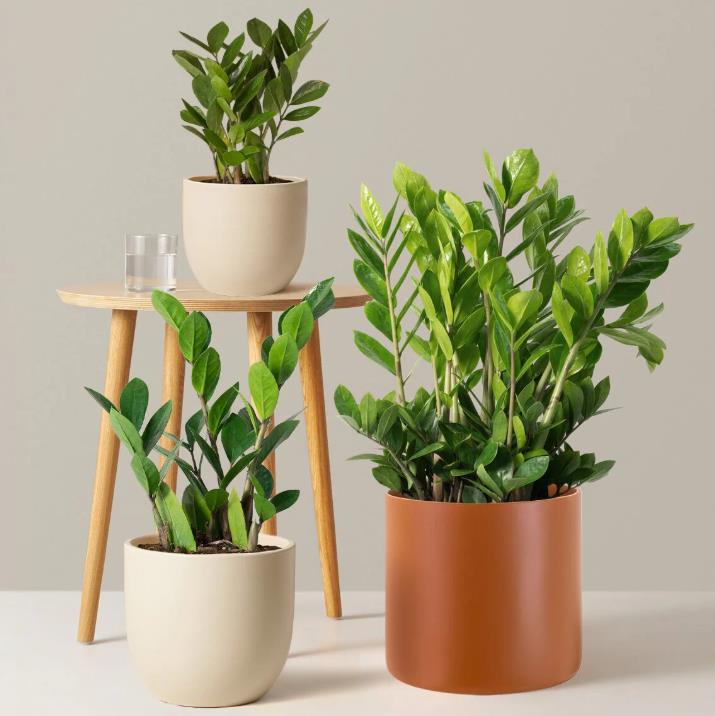
Cultivate Greenery indoor
Houseplants displayed in public areas and private quarters make eco-friendly home decor statements that are both eye-pleasing and practical. Houseplants—whether hanging in a window, set atop a table, or standing tall in a corner—perform as living sculptures that filter out airborne toxins, add welcome humidity to heated rooms, emit oxygen, and improve a home's overall air quality.
Remodel Wisely
Updating a kitchen or a bath? Eco-friendly surfaces and furnishings bring contemporary vibes and timeless character to every space. Shop for cabinets constructed of sustainable woods, such as bamboo or eucalyptus, or keep your old cabinets out of the landfill by "upcyling" them with paint. Check out living-green countertops that are crafted of recycled glass or paper (set into a base of resin or a cement/resin mix), concrete, quartz, and butcher-block types made from reclaimed wood or bamboo.Support Local Talent
Check the phone book, Craigslist, and social media sites for nearby artisans, woodworkers, potters, and other artistic souls who offer eco-friendly decorative items like furnishings, artworks, and accessories. By shopping locally for handcrafted items, you eliminate energy expenditures involved in long-distance shipping. It also means you are able to buy distinctive green home decor and strengthen your town's economy
Create a Energy efficient home
Don't be a drain on Earth's energy sources. Replace outdated appliances with Energy Star-labeled models, which are up to 50 percent more energy efficient than standard versions. Switch out incandescent light bulbs (which emit heat along with light) with LED (light-emitting diodes) or CFL (compact fluorescent light) bulbs to cut utility bills. Install motion sensors and programmable thermostats that turn on lights and heating systems as needed.







Monday, 27 July 2026 - 9:40
After years dominated by hyper-saturated trend cycles and sleek, ultra-smooth minimalism, fashion has...

Monday, 20 July 2026 - 9:35
The era of hyper-rigid seasonal dress codes has quietly dissolved. Where personal style once demanded...
Monday, 08 June 2026 - 18:35
There was a time when sleek, unadorned surfaces and flat printed graphics defined what it meant to be...



Thursday, 30 July 2026

Tuesday, 21 July 2026

Thursday, 16 July 2026

Tuesday, 28 July 2026
Monday, 20 July 2026
Friday, 15 May 2026
Tuesday, 05 May 2026