
Latest News

truly authentic Sri Lankan Seeni Sambol
Thursday, 29 January 2026 - 17:37 | Views - 631
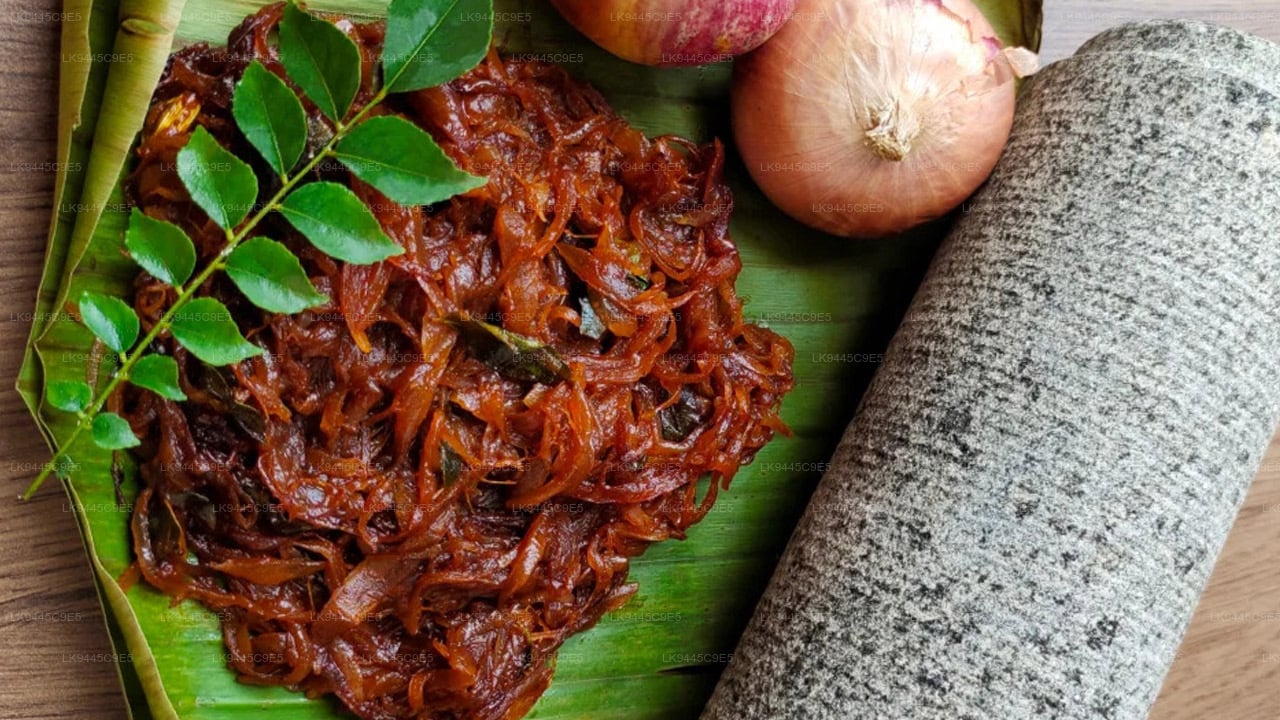
Choosing the right onions is the foundation of a truly authentic Sri Lankan Seeni Sambol. Since this relish relies on a slow caramelization process to achieve its signature jammy texture and deep mahogany color, your choice of onion dictates the final flavor profile.
Selecting the Best Onions
The gold standard for Seeni Sambol is the Bombay Onion or large Red Onion. These are preferred over white or yellow varieties because they contain a higher natural sugar content and a specific pungency that mellows into a rich sweetness when cooked down.
-
Look for Weight: Pick onions that feel heavy for their size. This indicates they are full of moisture, which is essential for a slow sauté. Light onions are often dehydrated and will burn or crisp up rather than softening into a relish.
-
Check the Neck: Ensure the neck of the onion is tight and dry. A thick or soft neck often means the onion is starting to rot or sprout from the inside, which can introduce a bitter taste to your sambol.
-
Firmness Matters: Squeeze the onion gently. It should be rock hard. Any soft spots or "give" in the flesh will result in a mushy texture that won't hold up during the long cooking process.
-
Avoid Sprouts: If you see green shoots emerging from the top, skip them. Sprouting onions have directed their sugars toward growth, leaving the bulb less flavorful and more prone to bitterness.
Preparation Tips for Authenticity
Once you have the right onions, how you handle them is just as important as the selection itself.
-
Uniform Slicing: To ensure the onions caramelize at the same rate, slice them as thinly and evenly as possible. Thick chunks will remain crunchy while the thinner bits burn, ruining the uniform jam-like consistency.
-
The Slicing Direction: Slice the onion from root to stem (vertical) rather than across the middle (horizontal). This helps the onion pieces retain their shape and structure during the long hours of stirring.
-
Moisture Control: Do not wash the onions after slicing. Any extra surface water will cause the onions to steam rather than fry in the oil, which prevents the Maillard reaction that creates that deep brown color.
The Secret to Texture
In authentic Sri Lankan kitchens, the onions are often hand-sliced rather than processed. Avoid using a food processor, as it tends to crush the cell walls and release too much juice, resulting in a watery paste instead of the distinct, glossy strands of onion found in a high-quality Seeni Sambol.
To make a truly authentic Seeni Sambol, you need patience and the right balance of four key elements: sweetness, salt, heat, and acidity. This relish isn't just a side dish; it is a labor of love that transforms humble onions into a dark, spicy jam.
Ingredients
The Base
-
Onions: 1 kilogram of Red Onions or Bombay Onions (thinly sliced)
-
Oil: 4 to 5 tablespoons of coconut oil (preferred for authenticity)
-
Curry Leaves: 2 sprigs
-
Pandanus Leaf (Rampe): A 2 inch piece
The Spices
-
Cinnamon: 1 large stick
-
Cardamom: 5 to 6 pods (crushed)
-
Cloves: 3 to 4 pods
-
Chili Flakes: 3 to 4 tablespoons (adjust for heat)
-
Salt: To taste
The Finishing Touches
-
Tamarind: 2 tablespoons of thick pulp
-
Sugar: 3 to 4 tablespoons (palm sugar or brown sugar works best)
-
Maldive Fish: 2 tablespoons of crushed flakes (optional, for a savory umami kick)
Cooking Method
1. Sautéing the Aromatics
Heat the coconut oil in a large, heavy-bottomed pan or a traditional wok over medium heat. Once the oil is shimmering, add the cinnamon stick, crushed cardamom, cloves, curry leaves, and pandanus leaf. Fry these for about a minute until the oil becomes fragrant.
2. The Great Onion Sauté
Add your thinly sliced onions to the pan. Sprinkle a little salt over them to help draw out the moisture. This stage requires patience. Cook the onions on medium-low heat, stirring frequently. You want them to move past the translucent stage and into a golden brown hue. This can take 20 to 30 minutes.
3. Introducing the Spice
Once the onions have significantly reduced in volume and turned a deep golden color, add the chili flakes and the Maldive fish flakes. Stir well for another 5 minutes. The chili flakes should toast in the oil but not burn.
4. Caramelization and Acidity
Lower the heat to its minimum setting. Add the thick tamarind pulp and the sugar. The tamarind provides the necessary tartness to cut through the oil, while the sugar reacts with the onion juices to create the "Seeni" (sugar) element.
5. The Slow Finish
Continue to cook on low heat for another 10 to 15 minutes, stirring constantly. The mixture will darken into a deep, glossy mahogany brown. The oil should start to separate from the onion mass at the edges of the pan.
Pro Tips for Perfection
-
The Color Check: Authentic Seeni Sambol should never be bright red. It should be a very dark brown. If it looks too light, you likely need to cook it longer on low heat.
-
Storage: Because of the high oil and sugar content, this relish preserves well. Store it in a clean glass jar. It actually tastes better the next day once the flavors have matured.
-
The Oil Rule: Don't be afraid of the oil. It acts as the cooking medium and the preservative. You can always drain excess oil before serving.







Monday, 27 July 2026 - 9:40
After years dominated by hyper-saturated trend cycles and sleek, ultra-smooth minimalism, fashion has...

Monday, 20 July 2026 - 9:35
The era of hyper-rigid seasonal dress codes has quietly dissolved. Where personal style once demanded...
Monday, 08 June 2026 - 18:35
There was a time when sleek, unadorned surfaces and flat printed graphics defined what it meant to be...



Wednesday, 23 September 2026

Tuesday, 25 August 2026

Thursday, 13 August 2026


Tuesday, 18 August 2026

Tuesday, 28 July 2026

Monday, 20 July 2026

Friday, 15 May 2026