
Latest News

Why Raw Fish and Intestines are Dangerous for Your Cat
Wednesday, 28 January 2026 - 16:49 | Views - 1,286
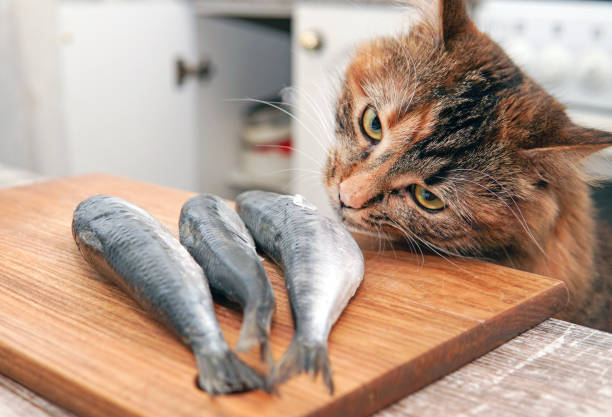
Is raw fish good or bad for your cat? The short answer is that it is generally bad. While fish provides high-quality protein and omega-3 fatty acids, the risks of feeding it raw—especially with the intestines and organs intact—far outweigh the benefits for a domestic pet.
Below is a comprehensive look at the specific illnesses, symptoms, and physical dangers associated with this diet.
Thiamine Deficiency and Vitamin B1 Depletion
The most significant nutritional risk of raw fish is the presence of thiaminase. This is an enzyme found in many raw fish species, including carp, herring, and catfish, that destroys thiamine, or Vitamin B1.
Thiamine is critical for energy metabolism and healthy brain function. Because cats cannot store large amounts of Vitamin B1, a diet high in raw fish can cause a total depletion of this vitamin within weeks.
Initial symptoms include decreased appetite, drooling, and occasional vomiting. As the brain is affected, cats will exhibit ventriflexion, which is the neck arching downward so the head touches the chest. Other advanced signs include a wobbly gait, circling, dilated pupils, and eventually life-threatening seizures.
Bacterial Pathogens and Food Poisoning
The digestive tract of a fish is a reservoir for bacteria. When you feed a cat a fish with the guts intact, you are introducing a concentrated dose of waste-related bacteria into their system.
Common culprits include Salmonella, Listeria, and E. coli. These bacteria cause severe inflammation of the gastrointestinal tract. Symptoms include sudden and severe vomiting, watery or bloody diarrhea, high fever, and extreme lethargy. These infections are also zoonotic, meaning the cat can pass the bacteria to humans in the household.
Parasitic Infestations
Raw fish are intermediate hosts for a variety of internal parasites that thrive once they enter a warm-blooded mammal.
Tapeworms attach to the intestinal wall and steal nutrients from the cat. Flukes are small parasitic flatworms that can migrate to the liver or lungs, causing organ damage. Symptoms include a pot-bellied look in an otherwise thin cat, a dull coat, and the presence of small, white, rice-like segments around the cat’s tail or in their bedding.
Salmon Poisoning Disease
This is a specific, highly dangerous risk for cats that consume raw fish from the Salmonid family, such as salmon, trout, and steelhead.
The fish carries a fluke which in turn carries a bacterium called Neorickettsia helminthoeca. Without immediate veterinary treatment, this is often fatal within 7 to 14 days. Symptoms include high fever, complete loss of appetite, vomiting, and severely swollen lymph nodes.
Physical Trauma and Obstruction
Feeding a fish intact means the cat is also consuming the head, fins, scales, and skeletal structure. Raw fish bones are sharp and brittle. They can easily become lodged in the throat or puncture the lining of the stomach or intestines.
Symptoms include gagging, pawing at the mouth, or a hunched posture indicating abdominal pain. If an internal puncture occurs, the cat will quickly become weak, develop a painful, rigid stomach, and go into shock.
Veterinary Recommendation
To enjoy the benefits of fish without these risks, fish should always be thoroughly cooked by steaming or boiling without added oils or seasonings. Cooking destroys the thiaminase enzyme and kills the bacteria and parasites that make raw fish so dangerous
Below is a comprehensive look at the specific illnesses, symptoms, and physical dangers associated with this diet.
Thiamine Deficiency and Vitamin B1 Depletion
The most significant nutritional risk of raw fish is the presence of thiaminase. This is an enzyme found in many raw fish species, including carp, herring, and catfish, that destroys thiamine, or Vitamin B1.
Thiamine is critical for energy metabolism and healthy brain function. Because cats cannot store large amounts of Vitamin B1, a diet high in raw fish can cause a total depletion of this vitamin within weeks.
Initial symptoms include decreased appetite, drooling, and occasional vomiting. As the brain is affected, cats will exhibit ventriflexion, which is the neck arching downward so the head touches the chest. Other advanced signs include a wobbly gait, circling, dilated pupils, and eventually life-threatening seizures.
Bacterial Pathogens and Food Poisoning
The digestive tract of a fish is a reservoir for bacteria. When you feed a cat a fish with the guts intact, you are introducing a concentrated dose of waste-related bacteria into their system.
Common culprits include Salmonella, Listeria, and E. coli. These bacteria cause severe inflammation of the gastrointestinal tract. Symptoms include sudden and severe vomiting, watery or bloody diarrhea, high fever, and extreme lethargy. These infections are also zoonotic, meaning the cat can pass the bacteria to humans in the household.
Parasitic Infestations
Raw fish are intermediate hosts for a variety of internal parasites that thrive once they enter a warm-blooded mammal.
Tapeworms attach to the intestinal wall and steal nutrients from the cat. Flukes are small parasitic flatworms that can migrate to the liver or lungs, causing organ damage. Symptoms include a pot-bellied look in an otherwise thin cat, a dull coat, and the presence of small, white, rice-like segments around the cat’s tail or in their bedding.
Salmon Poisoning Disease
This is a specific, highly dangerous risk for cats that consume raw fish from the Salmonid family, such as salmon, trout, and steelhead.
The fish carries a fluke which in turn carries a bacterium called Neorickettsia helminthoeca. Without immediate veterinary treatment, this is often fatal within 7 to 14 days. Symptoms include high fever, complete loss of appetite, vomiting, and severely swollen lymph nodes.
Physical Trauma and Obstruction
Feeding a fish intact means the cat is also consuming the head, fins, scales, and skeletal structure. Raw fish bones are sharp and brittle. They can easily become lodged in the throat or puncture the lining of the stomach or intestines.
Symptoms include gagging, pawing at the mouth, or a hunched posture indicating abdominal pain. If an internal puncture occurs, the cat will quickly become weak, develop a painful, rigid stomach, and go into shock.
Veterinary Recommendation
To enjoy the benefits of fish without these risks, fish should always be thoroughly cooked by steaming or boiling without added oils or seasonings. Cooking destroys the thiaminase enzyme and kills the bacteria and parasites that make raw fish so dangerous







Monday, 27 July 2026 - 9:40
After years dominated by hyper-saturated trend cycles and sleek, ultra-smooth minimalism, fashion has...

Monday, 20 July 2026 - 9:35
The era of hyper-rigid seasonal dress codes has quietly dissolved. Where personal style once demanded...

Monday, 08 June 2026 - 18:35
There was a time when sleek, unadorned surfaces and flat printed graphics defined what it meant to be...



Wednesday, 23 September 2026

Tuesday, 25 August 2026

Thursday, 13 August 2026


Tuesday, 18 August 2026

Tuesday, 28 July 2026

Monday, 20 July 2026

Friday, 15 May 2026