
Latest News

Beyond the Puppy Years: Why Your Adult Dog Still Needs Vitamins
Sunday, 18 January 2026 - 11:00 | Views - 270
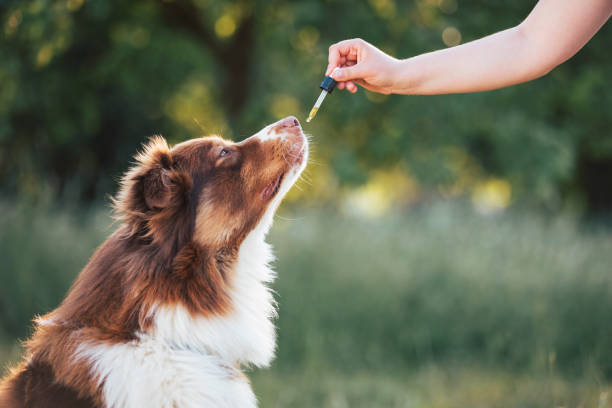
When a puppy stops growing, many owners assume the "nutritional heavy lifting" is finished. However, maintaining a dog’s health into adulthood and through their senior years requires a shift in strategy. While puppies need vitamins for building their bodies, adult dogs need them for maintenance, protection, and longevity.
Think of vitamins as the "maintenance crew" for a high-performance vehicle. Even if the car is fully built, it still needs oil, coolant, and fuel additives to keep the engine from seizing up over time.
The Science of Aging: Why Grown-Up Dogs Need Support
1. Boosting the Immune Defense
As dogs age, their natural defenses start to slow down. High-quality adult dog vitamins—specifically Vitamins C and E—act as powerful antioxidants. They hunt down "free radicals," which are unstable molecules that damage cells and accelerate aging. By providing these, you are helping your dog fight off oxidative stress before it turns into chronic illness.
2. Joint Health: The Preventative Strike
Most active adults and large-breed dogs begin to experience microscopic wear and tear on their joints long before they start limping. Vitamins like Vitamin D3, often paired with joint-specific supplements, help maintain bone density and cartilage elasticity. Starting these in the "prime" years can significantly delay the onset of arthritis and mobility issues.
3. Cognitive Sharpness
Dogs can experience cognitive decline just like humans. B-complex vitamins (especially B12) are crucial for nervous system health and brain function. Keeping these levels high helps your dog stay alert, responsive, and mentally "young" well into their double digits.
4. The Skin & Coat Barrier
A dog’s skin is their largest organ and their first line of defense against parasites and allergens. Biotin and Vitamin A ensure the skin stays hydrated and the coat remains thick. Without these, adult dogs often develop dry, itchy skin that leads to "hot spots" and excessive shedding.
Key Advantages of Continuous Supplementation
-
Vitality: Higher energy levels and much faster muscle recovery after a long walk or play session.
-
Digestion: Improved nutrient absorption, which leads to better stools and less gas.
-
Longevity: Early support for heart and kidney health can literally add years to their life expectancy.
-
Cost Savings: Preventative vitamins are far cheaper than treating chronic joint or skin issues at the vet later in life.
Tips and Shortcuts for Owners
-
The "Treat" Shortcut: Don't struggle with pills. Most modern dog vitamins come as "soft chews" that taste like bacon or chicken. Your dog will think they are getting a reward, not medicine.
-
The Absorption Trick: Many vitamins (A, D, and E) are fat-soluble. To get the best results, give the vitamin during a meal that contains healthy fats to help their body absorb the nutrients effectively.
-
Rotate with the Seasons: In winter, focus on skin-supporting vitamins to combat dry air. In summer, focus on antioxidants to help their bodies manage heat stress.
Key Points to Remember
-
Human Vitamins are Toxic: Never give your dog human multivitamins. They often contain Xylitol (a sweetener that is deadly to dogs) or levels of Vitamin D that can cause kidney failure in canines.
-
Quality Control: Look for products with the NASC (National Animal Supplement Council) seal on the label to ensure they have been tested for safety.
-
Consult Your Vet: Always check with your vet before starting a new regimen, especially if your dog is already on a prescription diet.







Monday, 27 July 2026 - 9:40
After years dominated by hyper-saturated trend cycles and sleek, ultra-smooth minimalism, fashion has...

Monday, 20 July 2026 - 9:35
The era of hyper-rigid seasonal dress codes has quietly dissolved. Where personal style once demanded...

Monday, 08 June 2026 - 18:35
There was a time when sleek, unadorned surfaces and flat printed graphics defined what it meant to be...



Wednesday, 23 September 2026

Tuesday, 25 August 2026

Thursday, 13 August 2026


Tuesday, 18 August 2026

Tuesday, 28 July 2026

Monday, 20 July 2026

Friday, 15 May 2026