
Latest News

Healing must go beyond rebuilding after Cyclone Ditwah, says psychologist
Friday, 19 December 2025 - 18:40 | Views - 249
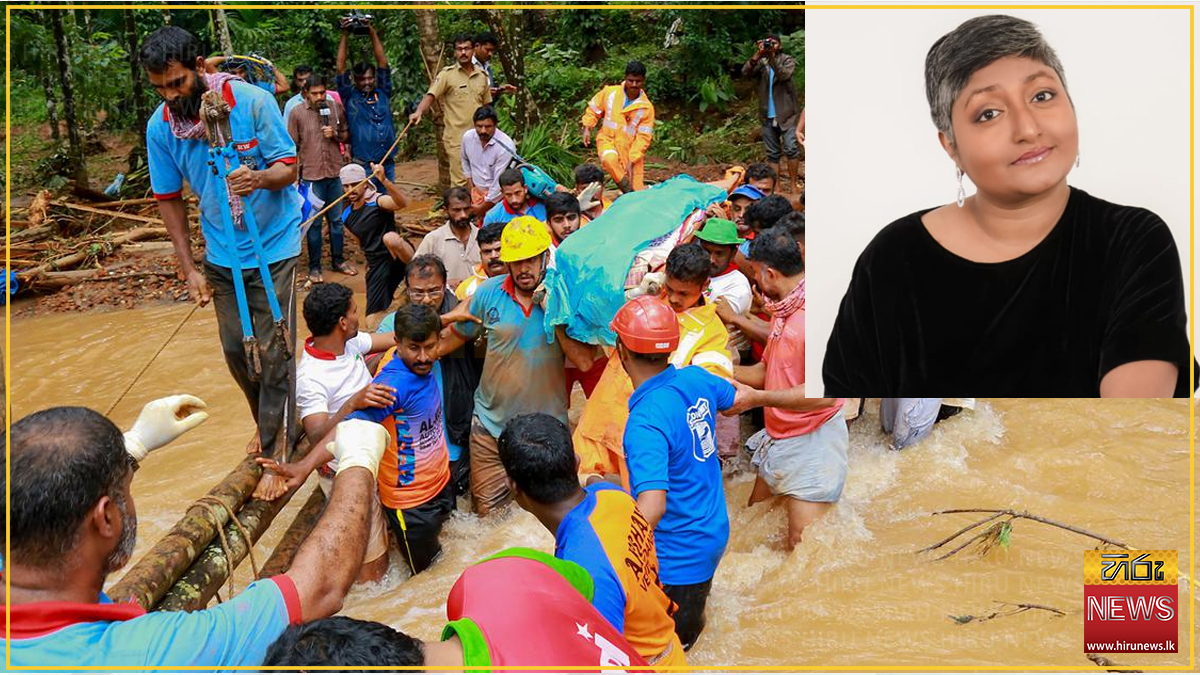
Meaningful and structured steps must be taken to address the psychological impact of Cyclone Ditwah on affected communities, stressed Kumudini Perera-David, psychologist and trauma-informed practitioner, who highlighted the urgent need for early mental-health intervention.
“The people most visibly affected are those who faced a direct threat to life, lost loved ones, homes, or livelihoods,” she said.
“For many of them, post-traumatic stress disorder, acute stress responses, complicated grief, and survivor’s guilt are to be expected. These are normal nervous-system responses to abnormal, life-threatening events.”
She explained that the shock of narrowly escaping death becomes deeply encoded in memory and can last far longer than the grief associated with loss.
“Victims often relive the experience when they encounter similar triggers in the future.”
For example, someone who nearly drowned may remain fearful of the ocean for years. Those who lose loved ones gradually find ways to cope, while those who lose homes or businesses often focus on rebuilding because practical recovery gives them direction.
However, she warned that the broader psychological impact is often overlooked once floodwaters recede.
“There are high-risk groups who rarely make the headlines,” she noted.
These include:
Individuals who narrowly missed the disaster, such as those who evacuated early or were delayed. Many experience delayed trauma and intense survivor’s guilt.
Children, who may seem unaffected but often lack the language or cognitive ability to process what happened. Their distress can surface months later as sleep issues, anxiety, regression, or learning difficulties.
Caregivers, responders, teachers, and volunteers, who stayed functional for others while suppressing their own fear. Many experience burnout or emotional collapse once the immediate crisis passes.
Communities with prior trauma, where the disaster can reactivate memories of war, displacement, the tsunami, or chronic instability—what Perera-David described as “stacked trauma.”
“The psychological impact doesn’t end when the disaster ends. That’s often when it begins,” she said. “Trauma is not just the event—it’s how the nervous system stores it. And that takes time.”
“As rebuilding begins on the outside, recovery on the inside follows a very different timeline. If we don’t talk about it, we miss it—and people suffer silently long after the news cycle moves on.”
Perera-David added that she and several other mental-health professionals are prepared to provide psychological support and encouraged interested organisations, corporate sector and individuals to reach out via email [email protected]







Monday, 27 July 2026 - 9:40
After years dominated by hyper-saturated trend cycles and sleek, ultra-smooth minimalism, fashion has...

Monday, 20 July 2026 - 9:35
The era of hyper-rigid seasonal dress codes has quietly dissolved. Where personal style once demanded...

Monday, 08 June 2026 - 18:35
There was a time when sleek, unadorned surfaces and flat printed graphics defined what it meant to be...



Thursday, 13 August 2026

Wednesday, 05 August 2026

Thursday, 30 July 2026


Tuesday, 18 August 2026

Tuesday, 28 July 2026

Monday, 20 July 2026

Friday, 15 May 2026