
Latest News

Changing China: Why Xi Jinping is leading a way back to socialism
Thursday, 23 September 2021 - 20:23 | Views - 741
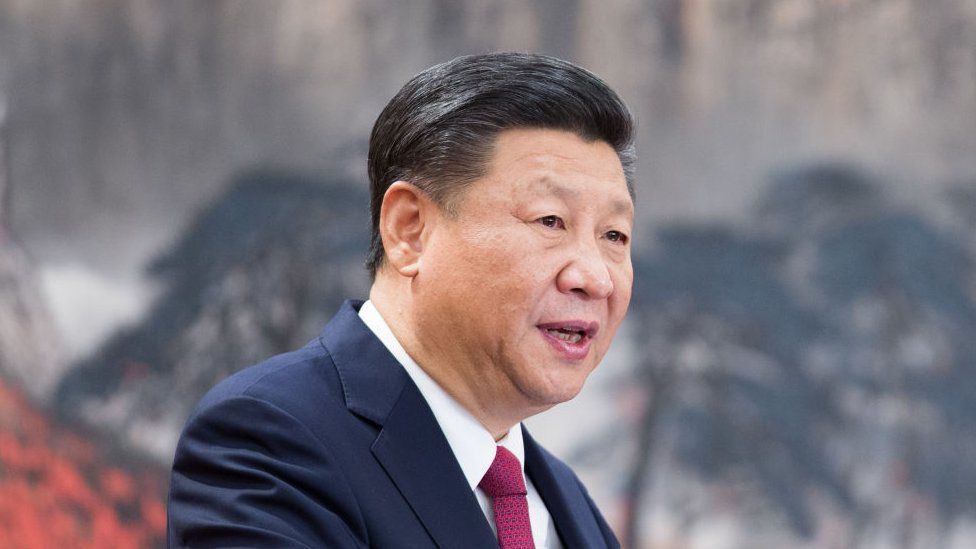
For decades life in China had evolved around its home-grown version of let-it-rip capitalism.
Despite being technically a "communist" country, the government had put its faith in trickle-down economics, believing that allowing some people to become extremely rich would benefit all of society by dragging it out of the disastrous quagmire of Chairman Mao's Cultural Revolution as quickly as possible.
To an extent it worked. A large middle class has emerged and people in virtually all strata of society now have better living standards as a result.
Wealth disparity
From the stagnation of the 1970s China has been thrust to the top of the pile, now challenging the United States for global economic dominance.
But it left a chasm of income disparity.
It is there to be seen in the children of those who were in the right place and the right time.
Parents who were able to take over factories in the 1980s made exorbitant profits which have paid for their progeny to now drive flashy sports cars around gleaming cities, zooming past the construction workers who wonder how they will ever be able to afford to buy a home.
The get-out-of jail card for the Party had always been the phrase "with Chinese characteristics".
The concept of socialism - "with Chinese characteristics" - allowed the government massive philosophical leeway to run a society which, in many ways, was not very socialist at all.
General Secretary Xi Jinping appears to have decided that this is no longer acceptable.
The Chinese government, under his leadership, has started putting the Communist back in the Communist Party, at least to some extent.
The new catchphrase is "common prosperity".
It hasn't really appeared yet on the street side propaganda posters but this can't be far off.
It is now the cornerstone of what China's leader is doing.






Monday, 27 July 2026 - 9:40
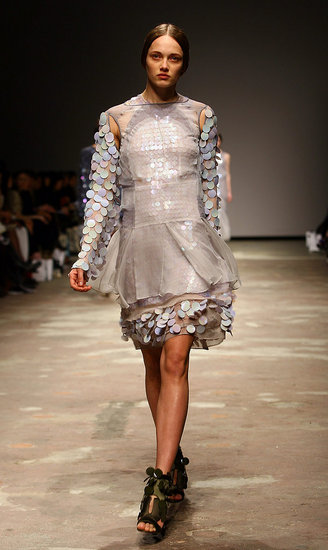
After years dominated by hyper-saturated trend cycles and sleek, ultra-smooth minimalism, fashion has...

Monday, 20 July 2026 - 9:35
The era of hyper-rigid seasonal dress codes has quietly dissolved. Where personal style once demanded...
Monday, 08 June 2026 - 18:35
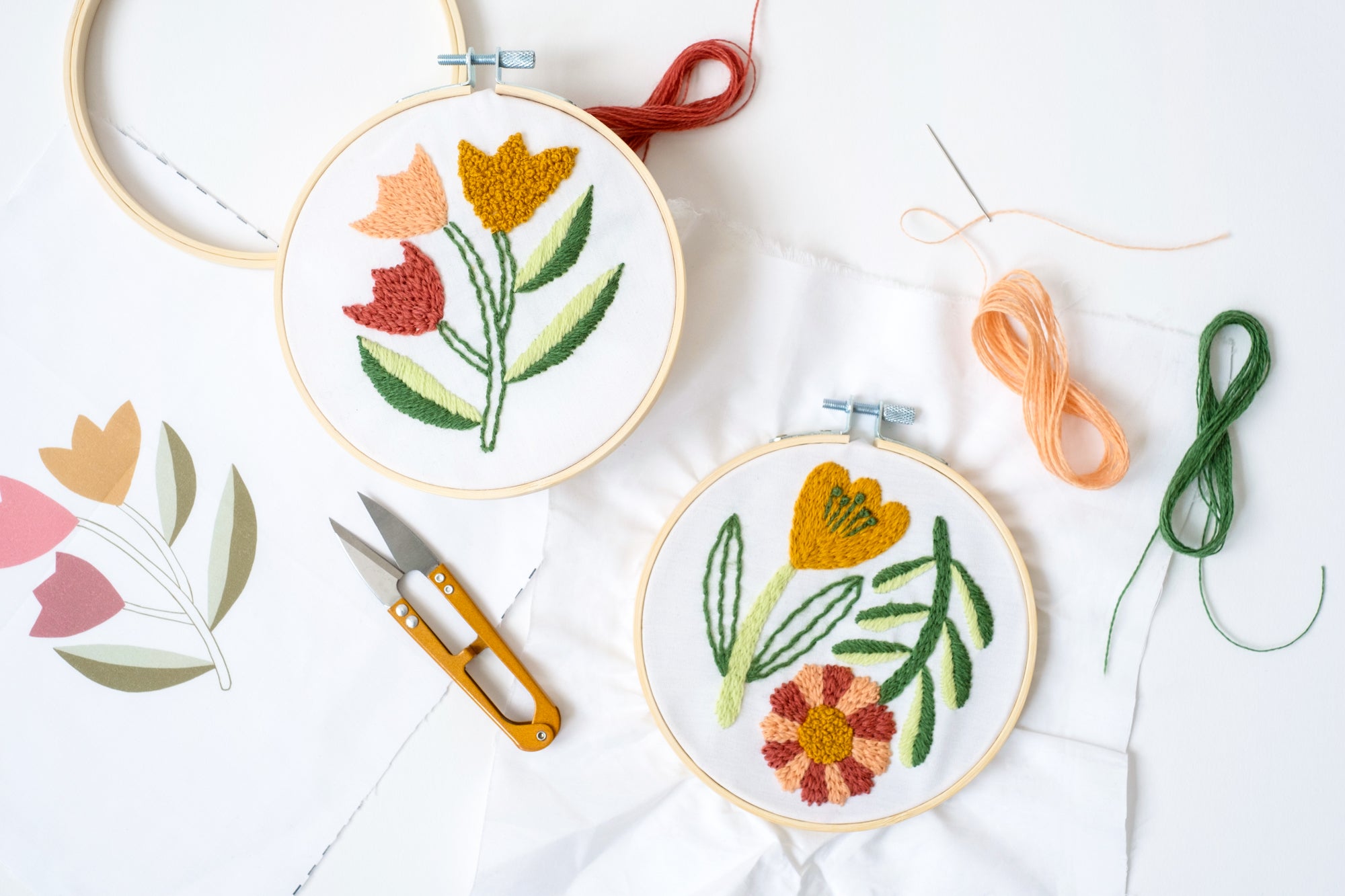
There was a time when sleek, unadorned surfaces and flat printed graphics defined what it meant to be...



Tuesday, 25 August 2026

Thursday, 13 August 2026

Wednesday, 05 August 2026


Tuesday, 18 August 2026

Tuesday, 28 July 2026

Monday, 20 July 2026

Friday, 15 May 2026