
Latest News

Apple Daily: The Hong Kong newspaper that pushed the boundary
Thursday, 24 June 2021 - 22:51 | Views - 722
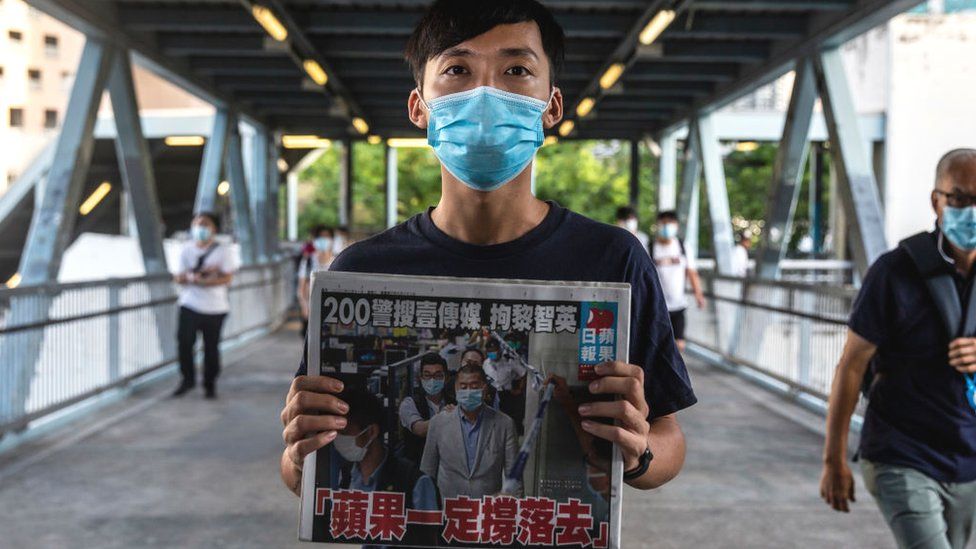
It started off as a local tabloid with a reputation for sensational headlines and paparazzi photographs.
But over its 26 years in print, Hong Kong's Apple Daily became something rarer - a newspaper unafraid to be openly critical of the Chinese state and a standard bearer for the pro-democracy movement.
Its role as one of Hong Kong's most vocal defenders won fans, but also contributed to its eventual demise.
Last year, its outspoken founder Jimmy Lai was arrested and jailed under a string of charges just months after the imposition of a new national security law.
And last week, the authorities said reports by the paper had breached the national security law. They froze its bank accounts and arrested key staff members.
Apple Daily announced it was closing on Wednesday afternoon, signalling both the end of Hong Kong's largest pro-democracy paper and a broader journalistic era.
"Apple Daily really was a key institution of Hong Kong society," Lokman Tsui, an assistant professor at the Chinese University of Hong Kong, said. "It was something people grew up with, [it was] part of our daily lives.
"There are other outlets, but no one was quite as big and vocal as Apple Daily. That's why the government was so annoyed with them. But they refused to back down - they stayed true to themselves."
Forbidden fruit
Apple Daily was established in 1995 by Lai, and was reportedly named after the forbidden fruit in the Bible. "If Eve hadn't bitten the forbidden fruit, there would be no sin, no right and wrong, and of course - no news," Lai told the Lianhe Evening News.
The paper soon established itself as a tabloid and became known for its sensationalist articles and bold headlines. Its early coverage centred on crime and entertainment news, and occasionally strayed into unethical territory.
But over the years the paper evolved and started to cover more politics. Hong Kong began experiencing a series of social movements in the early 2000s which saw people resisting integration with mainland China.
Dr Joyce Nip, a senior lecturer in Chinese media studies at the University of Sydney, told me this growing resistance opened up the market of political news for Apple Daily. She also said it gave the paper a unique advantage when other mainstream news outlets began "toeing the line of one country [one system]".
"Apple Daily generally disapproves of the Beijing political system, mainland China and its appointed administration in Hong Kong, both in its news agenda and in its [framing] of the news," said Dr Nip.
And while the paper continued to cover soft news and entertainment, it produced a growing number of political pieces and cemented its position as an unapologetically pro-democracy outlet.
Its reporters are typically barred from covering news in mainland China, and none were permitted to cover the 2008 Beijing Olympic Games. The paper's criticism of the Chinese government and pro-establishment figures in Hong Kong also resulted in frequent advertising boycotts.







Monday, 27 July 2026 - 9:40
After years dominated by hyper-saturated trend cycles and sleek, ultra-smooth minimalism, fashion has...

Monday, 20 July 2026 - 9:35
The era of hyper-rigid seasonal dress codes has quietly dissolved. Where personal style once demanded...
Monday, 08 June 2026 - 18:35
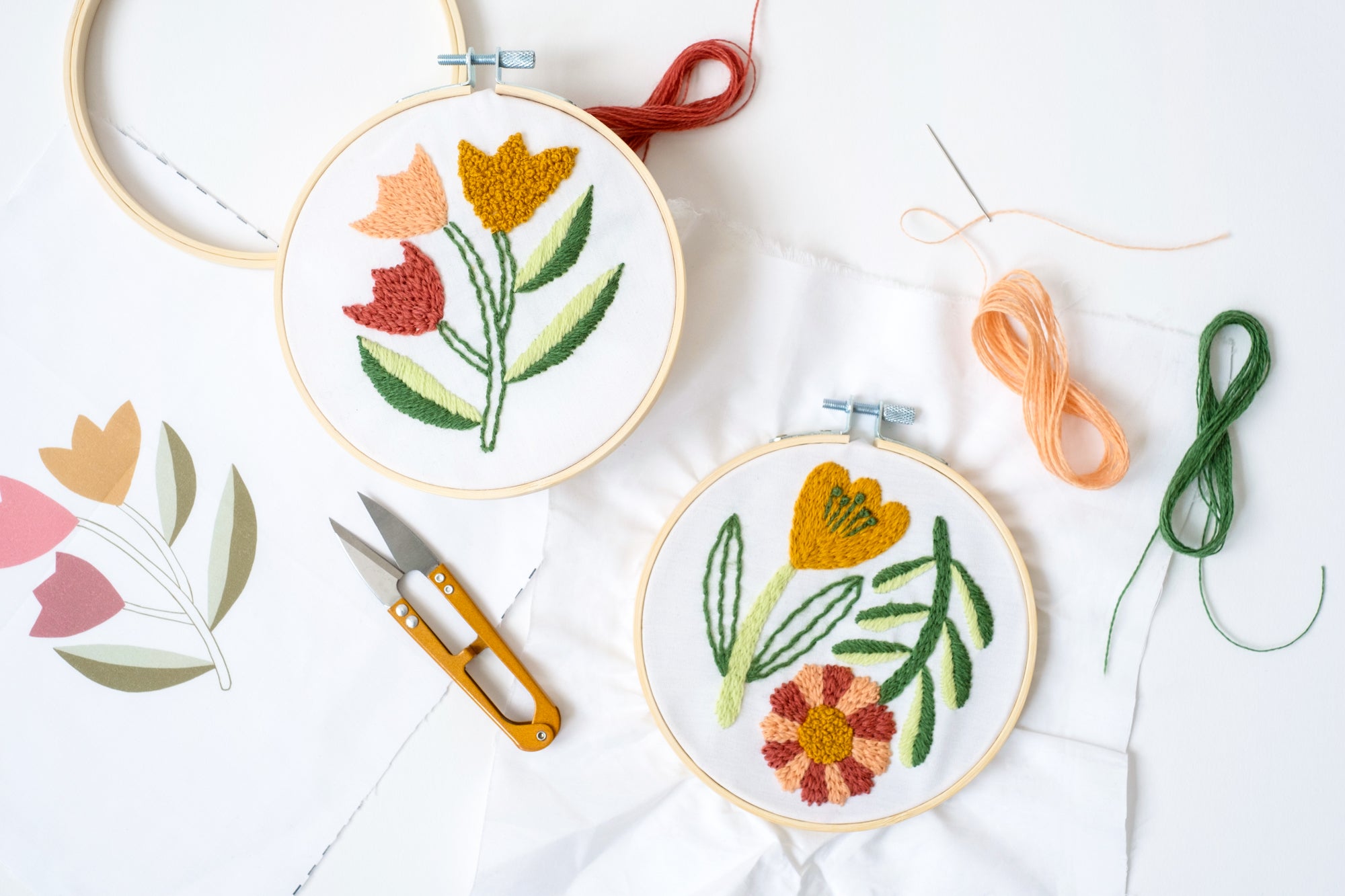
There was a time when sleek, unadorned surfaces and flat printed graphics defined what it meant to be...



Tuesday, 25 August 2026

Thursday, 13 August 2026
Wednesday, 05 August 2026


Tuesday, 18 August 2026

Tuesday, 28 July 2026

Monday, 20 July 2026

Friday, 15 May 2026