
Latest News

Wallet Origins and the History of the Everyday Essential
Monday, 07 October 2019 - 15:34 | Views - 1,174
Growing up, a wallet was the mark of adulthood. From carrying your first paycheck to your everyday essentials, wallets journey with us through the ups and downs of life. The average guy keeps his wallet for about 7 years, and during that time it becomes a familiar companion. At Pad & Quill, we've quickly fallen in love with our wallets and the history they carry with us. From the simplicity of the Slim Credit Card Wallet to the sturdiness of the Classic Journeyman, each wallet we design is meant to travel with you on your adventures. During the process of designing and innovating new wallets, we have also taken a look back through time to see the journey the wallet has taken and the history it carries with it. Read on to learn the fascinating history of the wallet!
Even before the beginning of paper money, people often needed ways to carry everything from food to coins. Before the modern wallet and modern currency came into existence, coin purses and small containers to carry valuables were the most commonly carried articles of luggage. In one of the oldest examples in the world, going back to 3,300 BCE, Otzi the Iceman was discovered with a coin purse attached at the hip. This coin purse included knives, flint and a few small pieces of food. Back when foraging and hunting was essential to survival, it's no surprise to find our ancestors looked for ways to carry their essentials hands-free as well. Otzi was actually quite fashion-forward for his time.
Going forward a few thousand years, Grecian and Roman citizens often carried coin purses attached at the hip or hidden in the folds of their robes/togas. Keeping their jewels near to their... jewels. They would carry everything from little notes to the common small coins used for currency. Ancient Greek gods, like Hermes, carried messages with coin purses and satchels. Even in Pompeii, archaeologists found evidence of various kinds of coin purses on many of the people. While many of these wallets have eroded away in the two thousand years since, remnants of these ancient wallets remain, showcasing their importance in society.
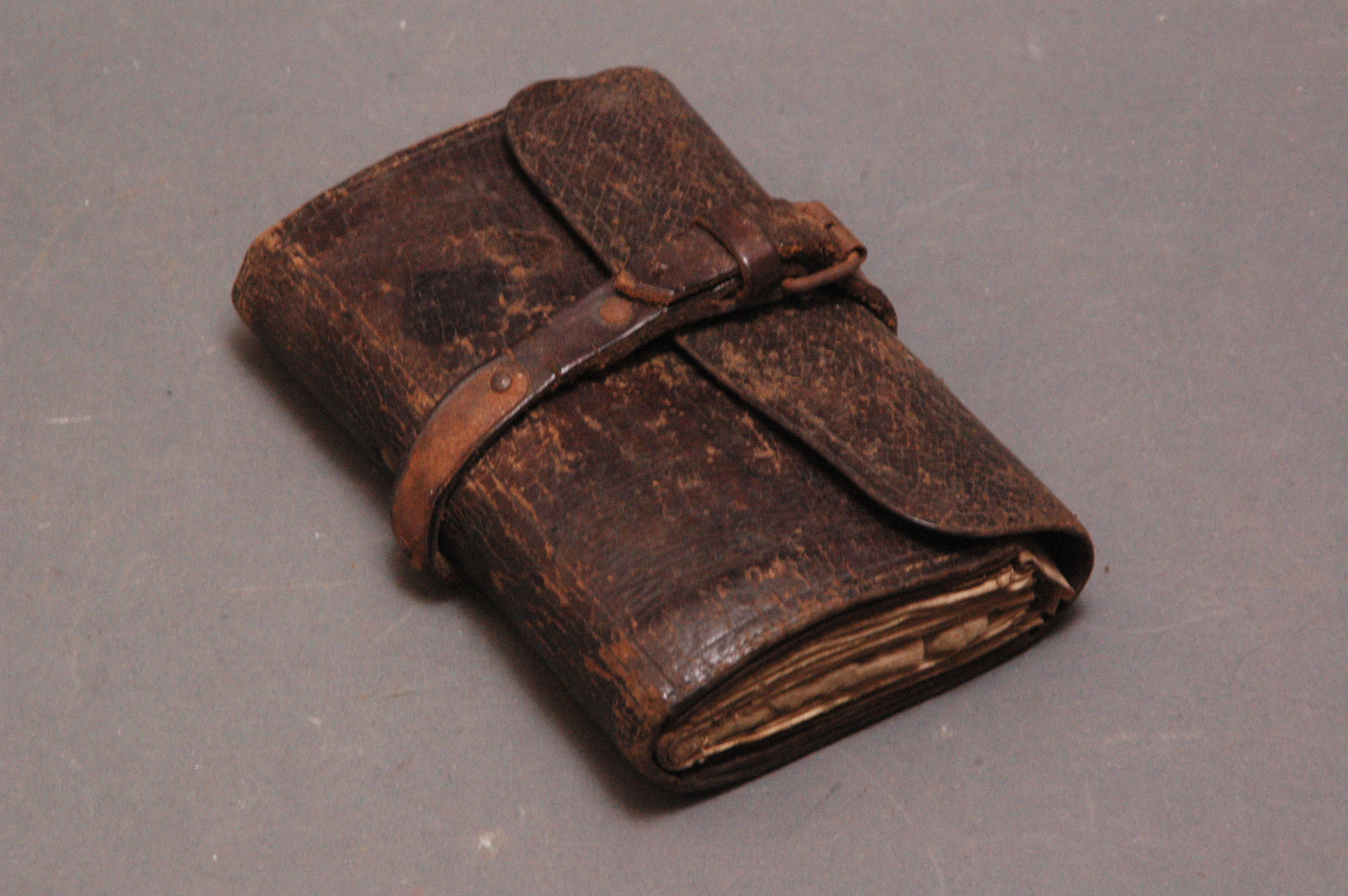
The original wallet came to life in the 1300s, described as a bag meant to carry valuables. By the 1600s, with the rise of paper currency, the flat wallet became a norm for the most fashionable people to wear. During the Renaissance time period, these wallets ranged from the very simple to the incredibly ornate, with unique stitching and crests often being show off. A few examples are shown above. At this time, wallets were still attached to the hip and carried everything from old notes to bits of food. Additionally, cut-purses and thieves were a major concern during this period because the wallets would often be exposed and their valuables easily stolen.







Monday, 27 July 2026 - 9:40
After years dominated by hyper-saturated trend cycles and sleek, ultra-smooth minimalism, fashion has...

Monday, 20 July 2026 - 9:35
The era of hyper-rigid seasonal dress codes has quietly dissolved. Where personal style once demanded...
Monday, 08 June 2026 - 18:35
There was a time when sleek, unadorned surfaces and flat printed graphics defined what it meant to be...



Tuesday, 25 August 2026

Thursday, 13 August 2026

Wednesday, 05 August 2026


Tuesday, 18 August 2026

Tuesday, 28 July 2026

Monday, 20 July 2026

Friday, 15 May 2026