

Introduction
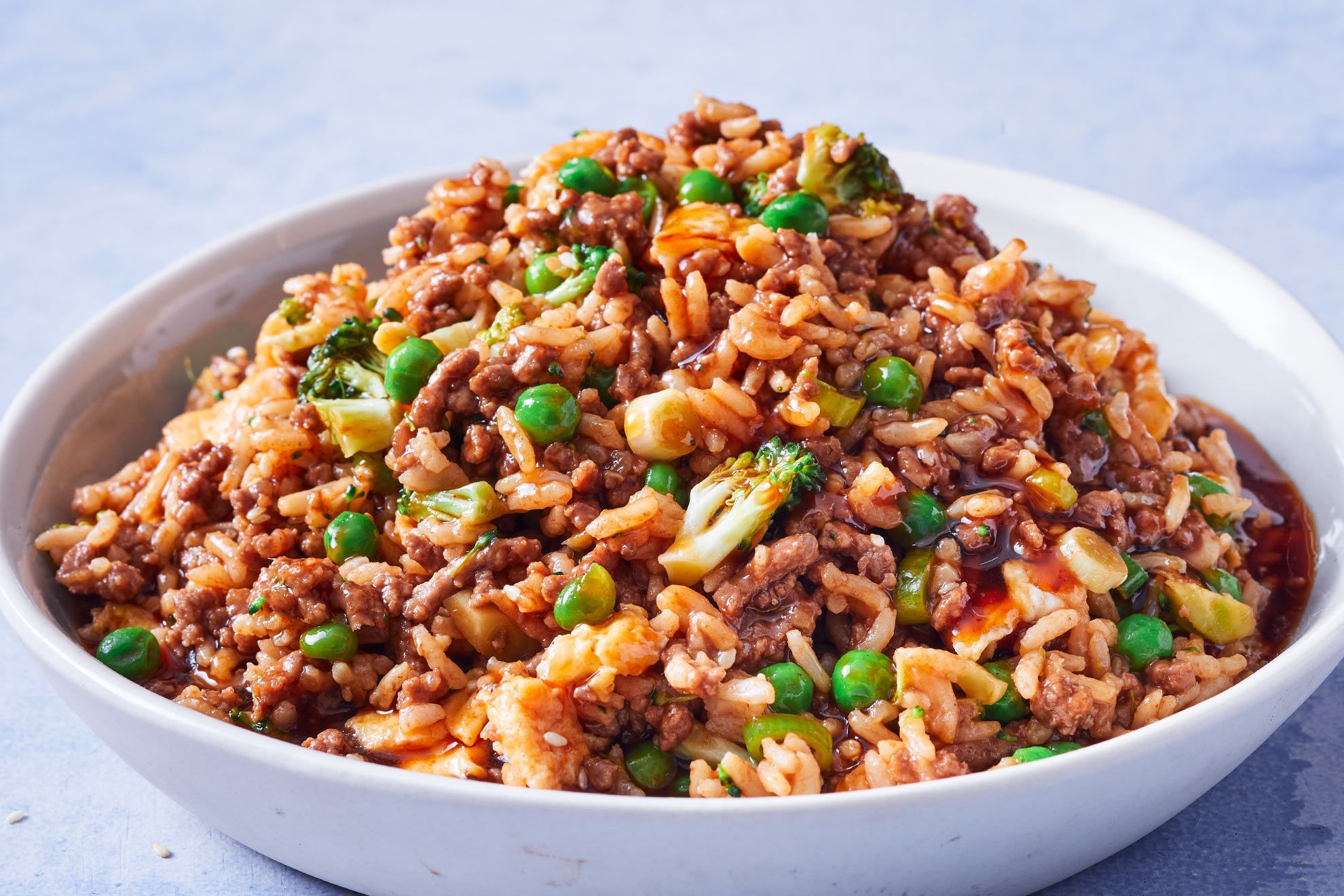
Mixed Mongolian rice is a vibrant, flavour packed dish that feels like a small celebration in a bowl. It blends savoury meats, colourful vegetables, smoky sauces, and warm spices into one comforting meal. The dish carries the spirit of quick Mongolian style stir frying, where high heat and bold ingredients come together in a lively rush. Whether served for lunch or dinner, mixed Mongolian rice is hearty, aromatic, and wonderfully satisfying.
Understanding the Dish
Mongolian style cooking is known for its fast techniques and strong flavours. Soy sauce brings depth, ginger adds brightness, garlic infuses warmth, and chilli adds a spark of excitement. When these flavours coat fluffy rice and mixed meats or vegetables, you get a dish that is both familiar and adventurous. Mixed Mongolian rice usually includes chicken or beef, but it can easily be adapted with prawns, tofu, or only vegetables.
Preparing the Rice
Rice forms the foundation of this dish, so it needs to be cooked perfectly. Use long grain rice or basmati for a lighter texture. Cook it until each grain stands separate. Once ready, allow it to cool so it becomes firm and easy to stir fry. Slightly chilled rice works best because it absorbs sauces without turning mushy.
Choosing the Meat and Vegetables
Most versions use a combination of chicken and beef, sliced thin so they cook quickly. Marinate the meat briefly with soy sauce, garlic, ginger, and a touch of pepper. This simple marinade gives the dish its characteristic savoury richness.
Vegetables add colour and freshness. Common choices include carrots, leeks, cabbage, onion, bell peppers, green beans, spring onions, and mushrooms. The vegetables should be cut into thin strips so they cook fast and retain a gentle crunch.
Building the Flavour Base
A good Mongolian rice begins with aromatics. Garlic, ginger, onion, and a little chilli are lightly sautéed until they release their fragrance. This creates the foundation of flavour. Once the meat is added, it sears quickly, locking in juices and picking up the warmth of the aromatics.
The vegetables follow, brightening the pan with colour. They cook just enough to soften, yet remain lively.
Adding the Signature Sauce
The sauce is what transforms this from ordinary fried rice to something boldly Mongolian inspired. It usually includes soy sauce for saltiness, oyster sauce for richness, a touch of chilli sauce for heat, and sometimes a small spoon of sugar to balance the flavours. A quick swirl of this sauce around the hot pan lets it cling to the meat and vegetables.
Some cooks add a hint of smoked paprika or pepper to give the dish a whisper of smokiness. A small bloom of sesame oil at the end adds aroma without overpowering the dish.
Bringing Everything Together
Once the sauce coats the mixture, the rice is added. The grains take on the colours and flavours beautifully. Stir gently, letting the rice warm through and absorb the sauce. A handful of spring onions sprinkled in at the end gives a sharp, fresh finish.
If you want extra protein, a beaten egg can be scrambled in the pan before adding the rice, weaving golden streaks through the dish.
Serving the Dish
Mixed Mongolian rice is best enjoyed hot. It pairs well with grilled chicken, stir fried vegetables, or a simple soup. Some people enjoy it with a spicy chilli paste on the side for an extra kick.
Conclusion
Mixed Mongolian rice is a dish that delights the senses. The sizzle of the pan, the aroma of garlic and soy, the colours of the vegetables, and the richness of the sauce all come together to create a meal that feels both comforting and exciting. With a little preparation and a hot stove, you can transform everyday ingredients into a bowl of warm, bold flavour that feels like a moment of celebration at the table.