
Latest News

The Basics You Need to Know About Color Coordinating Your Outfit
Wednesday, 15 February 2017 - 12:14 | Views - 1,686

Start practising with the basics
It becomes confusing and overwhelming if I start throwing out all the “rules”, which prevents you from putting anything you learn into use.
Trust me, I know from experience.
When I first starting learning this stuff I always wished I could just plug a cord into my head and upload all the information into my brain like in The Matrix.
So I’ll save you the long novel and give you something you can IMMEDIATELY start using.
The best way to start is to revisit something you’ve learned in art class way back when you created your first finger painting masterpiece.
The Color Wheel
You must know what a color’s associations are and how they strengthen or soften each other.
It becomes confusing and overwhelming if I start throwing out all the “rules”, which prevents you from putting anything you learn into use.
Trust me, I know from experience.
When I first starting learning this stuff I always wished I could just plug a cord into my head and upload all the information into my brain like in The Matrix.
So I’ll save you the long novel and give you something you can IMMEDIATELY start using.
The best way to start is to revisit something you’ve learned in art class way back when you created your first finger painting masterpiece.
The Color Wheel
You must know what a color’s associations are and how they strengthen or soften each other.
Once you understand these relationships you begin to see how well certain colors pair with each other.
It’s not as simple as just MATCHING the same colors with each other.
It gets tricky because there are combinations that are automatically pleasing to the eye and some that really clash.
Some people may find this article boring, but it’s always the simple things that hold the most power when executed correctly.
A lot of people have the “knowledge” but they don’t implement any of it.
For some of you this may just be a refresher.
So here are the basics of the color wheel…
There are three PRIMARY colors – BLUE, RED, and YELLOW.
Adding lightness and darkness to these primary colors forms all other colors.
Adding any of these two PRIMARY colors together gives you a SECONDARY color.
Primary + Primary = Secondary
Example:
Blue + Yellow = Green
Yellow + Red = Orange
Red + Blue = Violet
Then adding measures of light or dark to these colors creates different shades of color as well.
A TERTIARY color is when you mix a SECONDARY color with it’s adjacent PRIMARY color.
Examples:
Green + Blue or Yellow = Blue-Green or Yellow-Green
Orange + Red or Yellow = Red-Orange or Yellow-Orange
Violet + Blue and Red = Blue-Violet and Red-Violet
With this in mind, adjusting amounts of primary colors combined with level of lightness or darkness can create any color in the universe.
PRIMARY and SECONDARY colors that are side-by-side on the color wheel are ANALOGOUS to each other.
Blue’s Analogous = Green and Violet
Orange’s Analogous = Red and Yellow
It’s not as simple as just MATCHING the same colors with each other.
It gets tricky because there are combinations that are automatically pleasing to the eye and some that really clash.
Some people may find this article boring, but it’s always the simple things that hold the most power when executed correctly.
A lot of people have the “knowledge” but they don’t implement any of it.
For some of you this may just be a refresher.
So here are the basics of the color wheel…
There are three PRIMARY colors – BLUE, RED, and YELLOW.
Adding lightness and darkness to these primary colors forms all other colors.
Adding any of these two PRIMARY colors together gives you a SECONDARY color.
Primary + Primary = Secondary
Example:
Blue + Yellow = Green
Yellow + Red = Orange
Red + Blue = Violet
Then adding measures of light or dark to these colors creates different shades of color as well.
A TERTIARY color is when you mix a SECONDARY color with it’s adjacent PRIMARY color.
Examples:
Green + Blue or Yellow = Blue-Green or Yellow-Green
Orange + Red or Yellow = Red-Orange or Yellow-Orange
Violet + Blue and Red = Blue-Violet and Red-Violet
With this in mind, adjusting amounts of primary colors combined with level of lightness or darkness can create any color in the universe.
PRIMARY and SECONDARY colors that are side-by-side on the color wheel are ANALOGOUS to each other.
Blue’s Analogous = Green and Violet
Orange’s Analogous = Red and Yellow






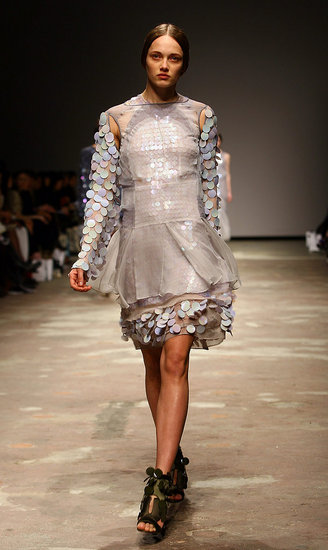
Monday, 27 July 2026 - 9:40
After years dominated by hyper-saturated trend cycles and sleek, ultra-smooth minimalism, fashion has...
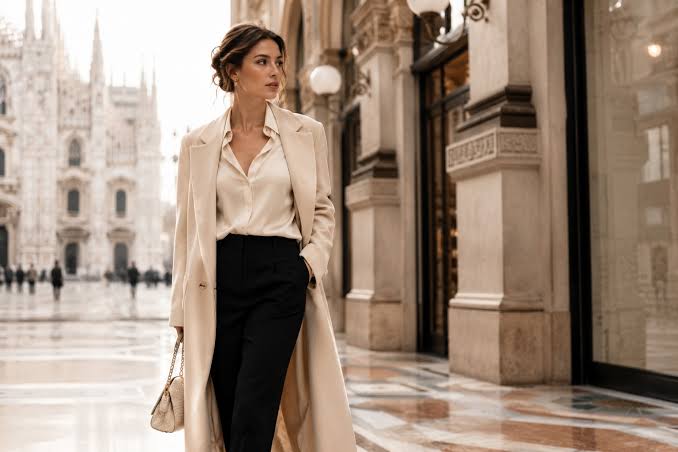
Monday, 20 July 2026 - 9:35
The era of hyper-rigid seasonal dress codes has quietly dissolved. Where personal style once demanded...
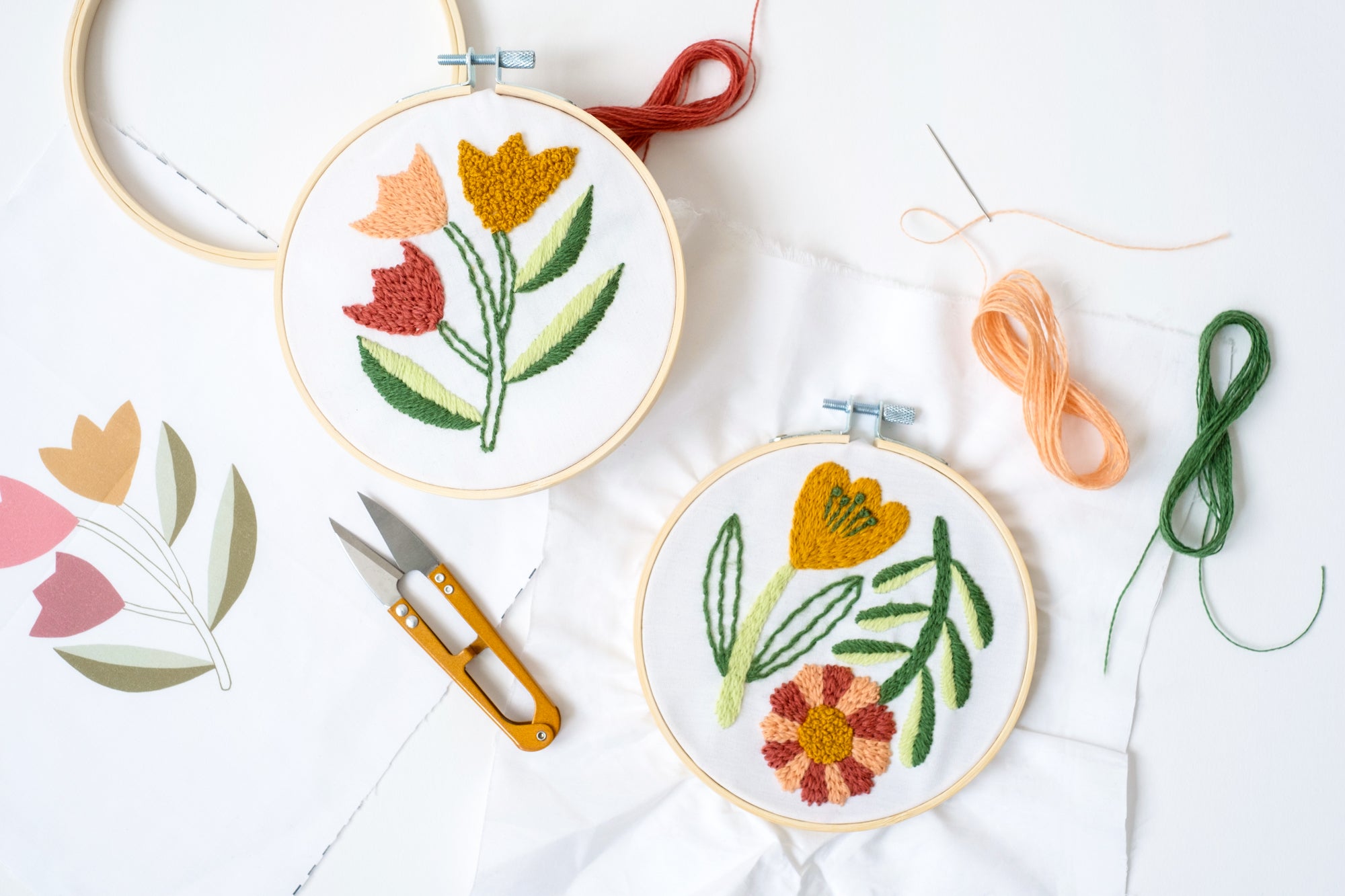
Monday, 08 June 2026 - 18:35
There was a time when sleek, unadorned surfaces and flat printed graphics defined what it meant to be...



Tuesday, 25 August 2026

Thursday, 13 August 2026

Wednesday, 05 August 2026


Tuesday, 18 August 2026

Tuesday, 28 July 2026

Monday, 20 July 2026

Friday, 15 May 2026